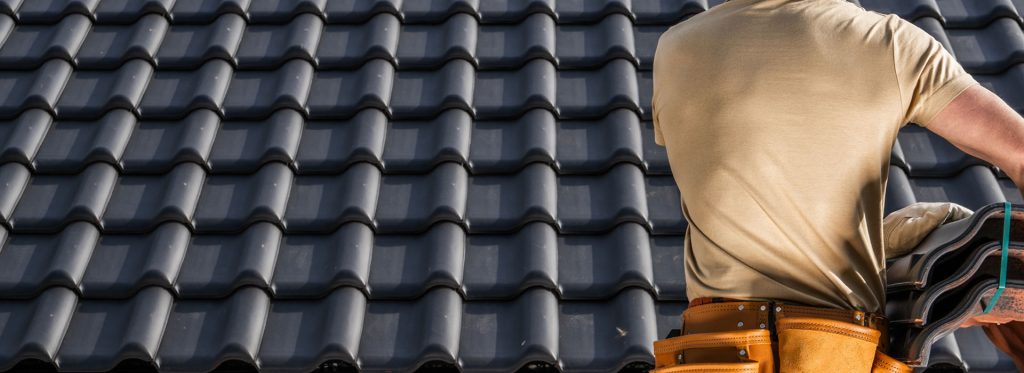
Homeowners in Crowley, Texas, want a roof that looks good and can stand up to our Texas weather. When it comes to choosing between metal roofs and shingle roofs, it’s important to weigh the pros and cons. Having worked in the roofing business for years, We’ve seen firsthand the many benefits metal roofing has over traditional shingle roofs.
What Is a Metal Roof?
Read the rest of this entry »Roof Repair and Installation After Flooding in Texas — What Homeowners and Businesses Need to Know
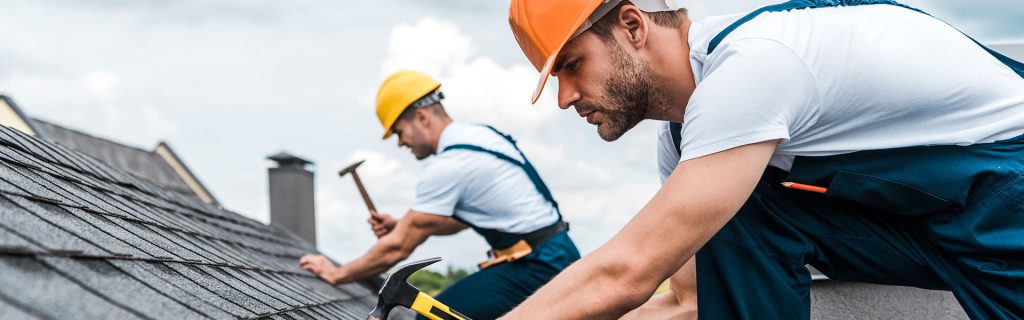
When flooding hits Crowley, Burleson, or Fort Worth, most people think about water in basements or damaged flooring. But floodwater and heavy rain can cause serious, and often hidden damage to your roof. Whether you own a residential home or a commercial property, you should take quick action to save you from bigger, costlier problems in the future.
Read the rest of this entry »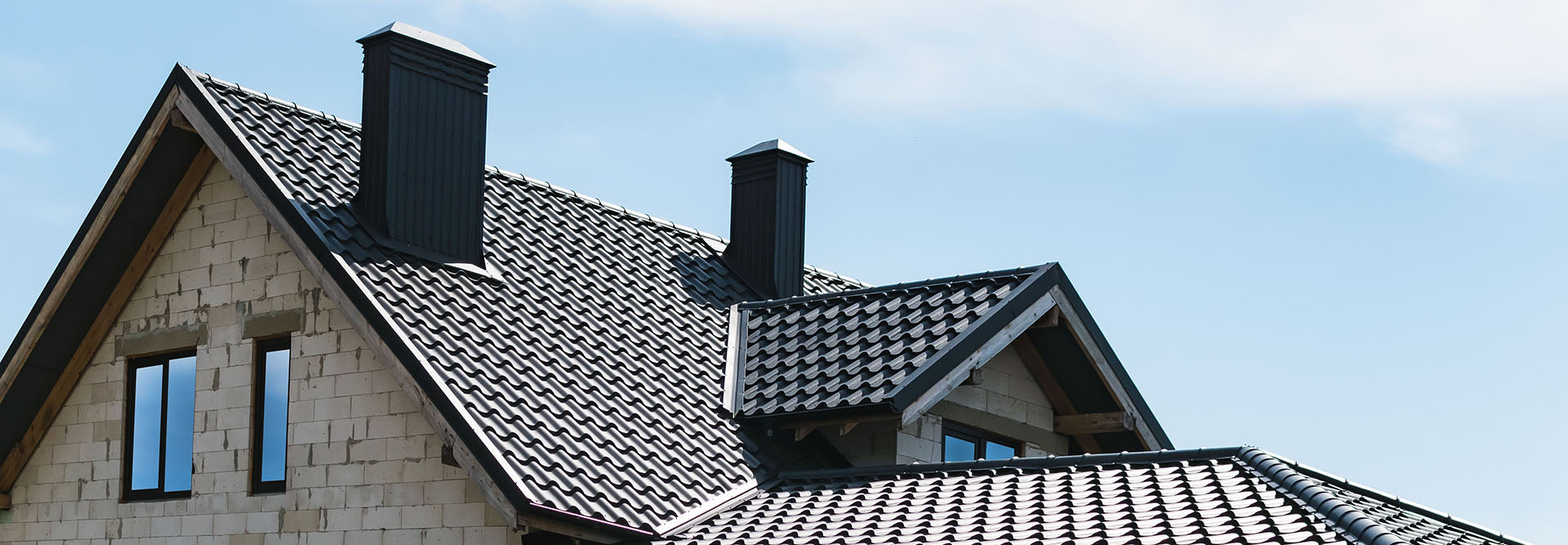
Your roof is one of the most important components of your home. It shields you from the elements and ensures your home remains safe and comfortable. But, like any part of your house, it won’t last forever. Over time, the materials will degrade, and you’ll need to replace your roof to maintain the integrity of your home. Knowing when to call a roof replacement contractor in Crowley can save you from bigger problems down the line. In this article, we’ll walk you through some key signs that indicate it’s time for a new roof.
How Old Is Your Roof?
One of the easiest ways to determine whether you need a new roof is by considering its age. Most roofing materials are designed to last between 20 and 30 years, depending on the material. Asphalt shingles, which are common in many homes, typically last about 20 to 25 years. If your roof is nearing this age or has surpassed it, you should start thinking about replacing it.
Even if your roof looks fine to the untrained eye, an older roof is more likely to develop issues. Over time, the materials naturally break down due to exposure to rain, snow, wind, and sunlight. If you’re unsure about your roof’s age, you can check home improvement records or ask a roofing expert to assess the condition.
Shingles Are Curling, Cracked, or Missing
Your roof’s shingles act as the first line of defense against weather. When shingles begin to curl, crack, or go missing entirely, it’s a clear sign your roof needs attention. Curling or buckling shingles are often caused by moisture buildup or poor ventilation in your attic, which can lead to more significant issues over time. If you notice large patches of missing shingles or find pieces of shingles in your yard after a storm, it’s a good idea to contact a roof replacement contractor near me as soon as possible.
A few missing shingles may be repairable, but widespread damage likely indicates the need for a full roof replacement. Ignoring these issues can result in leaks, water damage, and increased energy costs. Regularly inspecting your roof—especially after severe weather—can help you catch these signs early.
Granules in the Gutter
If you have asphalt shingles, pay attention to the state of the granules on your shingles. These granules help protect the shingles from harmful UV rays and add an extra layer of durability. However, as shingles age, the granules will start to wear away, often ending up in your gutters. If you notice an accumulation of granules in your gutter, it’s a sign that your shingles are nearing the end of their life cycle.
Granule loss isn’t just a cosmetic issue. Without this protective layer, your shingles are more likely to become brittle and susceptible to damage. If you’re seeing granules in your gutters or around your home’s foundation, it’s time to start thinking about a new roof.
Leaks in the Attic or Ceiling
A roof’s main purpose is to keep water out of your home. When you start noticing water stains on your ceiling or attic, it’s a clear sign that your roof isn’t doing its job. Leaks often occur when there’s damage to the shingles, flashing, or underlayment, allowing water to seep into your home.
It’s essential to address leaks as soon as possible because water damage can spread quickly. It can weaken the structure of your home, lead to mold growth, and cause damage to insulation and electrical systems. If you see any signs of water damage, contact a professional for an inspection immediately.
Daylight Coming Through Roof Board
Another way to assess the condition of your roof is to go up into your attic during the day. If you notice beams of light shining through the roof boards, this indicates gaps or holes in your roof. While small gaps may not seem like a big deal, they can allow water, insects, and pests to enter your home.
Daylight coming through your roof boards usually means there are significant problems with the roof’s structure. These issues can often go unnoticed for a while, but they can worsen over time. It’s a good idea to call a roof replacement contractor near me to inspect your roof if you see any daylight peeking through.
Sagging Roof
A sagging roof is a major red flag. It’s often a sign of structural damage, which could result from water damage, poor installation, or the weight of too many layers of shingles. If you notice that parts of your roof are sagging or appear uneven, it’s time to act immediately.
A sagging roof is not only unsightly, but it can also be dangerous. It could eventually collapse, putting your home and family at risk. Don’t wait for the situation to worsen; call a professional to evaluate the condition of your roof.
Increased Energy Bills
Have you noticed a sudden spike in your energy bills? Your roof plays a significant role in insulating your home. If it’s not functioning properly, warm air in the winter and cool air in the summer can escape through the roof, causing your HVAC system to work harder than necessary. This extra strain on your heating and cooling systems can lead to higher energy costs.
If you’re experiencing unexplained increases in your energy bills, it could be due to a failing roof. A roof replacement can improve your home’s energy efficiency, leading to lower bills and a more comfortable living environment.
Recurring Repairs
If you find yourself calling a roofing contractor for repairs multiple times a year, it may be time to consider a full replacement. While repairs can address immediate issues, they’re only a temporary solution. If your roof is constantly in need of attention, replacing it could save you money in the long run by preventing more frequent and costly repairs.
Recurring roof problems can also indicate that the underlying structure of your roof is deteriorating. A roof replacement can provide peace of mind and ensure that your home remains safe and protected for years to come.
Conclusion
Your roof is a critical component of your home’s safety and comfort. Recognizing the signs that it’s time for a roof replacement can save you from bigger issues down the road, like water damage, mold growth, and higher energy bills. If you’ve noticed any of the warning signs mentioned above, it’s best to call a professional roof replacement contractor to inspect your roof.
Waiting too long to address roof issues can lead to more costly repairs and even jeopardize your home’s structural integrity. Don’t hesitate to reach out for help if you think it’s time for a new roof.
When you’re ready to take the next step, Legacy Roofing And Contracting is here to help. Our team of experienced professionals will assess your roof and provide you with a clear, honest recommendation. Let us help you protect your home and ensure that your roof is in top shape for years to come.
Name, phone and address
Legacy Roofing And Contracting
817-993-5522
3908 Williamson Rd #120, Crowley, Texas, 76036

When it comes to your home, your roof plays an essential role in protecting you and your family. Whether you’re dealing with a few missing shingles or it’s time for a full roof replacement, finding the right professional for the job is key. The process of selecting the right roof replacement contractor can be overwhelming, but it doesn’t have to be. By taking a few important steps, you can ensure that you’re hiring a reputable roof replacement company in Crowley that meets your needs and delivers quality results.
1. Understand Your Roofing Needs
Before you even start searching for contractors, it’s important to have a good understanding of your roofing needs. Is it just a minor repair, or do you need a complete roof replacement? Having a clear idea of what needs to be done will help you communicate effectively with potential contractors and ensure you’re getting accurate quotes. Take the time to inspect your roof or consult with a roofing professional to determine the scope of the work.
2. Ask for Recommendations and Do Research
One of the best ways to start your search is by asking for recommendations from friends, family, or neighbors. Chances are, someone you know has had roofing work done recently and can offer valuable insights into their experience. In addition to personal recommendations, take some time to do your own research. Look for residential roofing contractors online, focusing on reviews and ratings. Websites like Google, Yelp, and the Better Business Bureau (BBB) can provide detailed feedback from previous customers.
Pay attention to both the positive and negative reviews. While no contractor is perfect, a company with overwhelmingly positive feedback and a track record of quality service is a good sign that they are reliable. Make sure the company you’re considering has experience in residential roofing, as some contractors may specialize in commercial projects.
3. Verify Credentials and Licenses
One of the most important steps in selecting a roof replacement contractor is verifying their credentials. A reputable residential roofing contractor should have the necessary licenses and certifications required by your state or municipality. These credentials ensure that the contractor has met the minimum requirements to perform roofing work in your area. They also demonstrate a commitment to professionalism and quality.
Don’t hesitate to ask potential contractors for proof of licensing and insurance. A trustworthy company will be happy to provide this information. Make sure they carry both liability insurance and workers’ compensation coverage. Liability insurance protects you in case of damage to your property during the roofing project, while workers’ compensation ensures that you won’t be held responsible if one of their employees gets injured on your property.
4. Check for Warranties and Guarantees
A reliable roof replacement contractor will stand behind their work by offering warranties and guarantees. This is an important consideration because it shows that the company is confident in the quality of their work and materials. When discussing your project with potential contractors, ask about the types of warranties they offer.
Most roofing companies will provide a manufacturer’s warranty on the materials used, which typically lasts between 20 and 30 years. In addition to the material warranty, make sure the contractor offers a workmanship warranty, which covers any installation errors. Workmanship warranties can vary in length, so be sure to ask about the specific terms.
5. Get Multiple Quotes
It’s always a good idea to get multiple quotes before making your final decision. This will give you a better understanding of the price range for your project and help you avoid being overcharged. When comparing quotes, make sure they are itemized, so you can see exactly what each contractor is charging for. Pay attention to the details—are they including the cost of materials, labor, and any additional services such as cleanup or disposal of old roofing materials?
Remember, the lowest bid isn’t always the best choice. If a quote seems significantly lower than others, it could be a red flag that the contractor is cutting corners or using subpar materials. It’s important to choose a company that offers a fair price for high-quality work.
6. Look for Experience and Expertise
Roofing is a specialized trade that requires experience and expertise. When choosing a roof replacement company, you want to make sure they have the knowledge and skills necessary to handle your specific roofing needs. Ask potential contractors how long they’ve been in business and how many roofing projects they’ve completed.
It’s also important to choose a contractor who is familiar with the type of roofing materials you plan to use. Whether you’re opting for asphalt shingles, metal roofing, or another material, your contractor should have experience installing that specific type of roof. They should also be able to provide guidance on which materials would be best suited for your home, climate, and budget.
7. Review Their Past Work
A reputable roof replacement contractor will be able to provide examples of their previous work. Ask to see photos of completed roofing projects, or even better, see if the contractor can provide references from previous clients. Speaking with homeowners who have worked with the contractor can give you valuable insight into the quality of their work, their professionalism, and their attention to detail.
In addition to reviewing their past work, make sure to ask about the contractor’s process for handling unexpected issues. Roofing projects can sometimes uncover underlying problems such as water damage or structural issues. A good contractor will be able to handle these situations professionally and communicate clearly with you about any additional work that may be required.
8. Communication Is Key
Throughout the entire process, from the initial consultation to the completion of the project, communication is key. A reliable roof replacement contractor should be responsive and transparent. They should be willing to answer your questions, provide regular updates, and keep you informed every step of the way.
Pay attention to how the contractor communicates during the initial consultation. Do they take the time to explain the roofing process in detail? Are they patient and thorough in answering your questions? A contractor who is willing to spend time discussing your project and addressing your concerns is more likely to provide a positive experience.
9. Make Sure Everything Is in Writing
Once you’ve selected a contractor, make sure everything is in writing before the project begins. This includes the scope of work, the materials being used, the timeline for completion, and the total cost of the project. Having a detailed written contract ensures that both you and the contractor are on the same page and helps prevent any misunderstandings.
The contract should also outline the payment terms. It’s common for roofing contractors to request a deposit upfront, with the remaining balance due upon completion of the project. Be cautious of any contractor who asks for the full payment before the work is done. A reputable contractor will structure payments in a way that ensures they are only paid in full once the job is completed to your satisfaction.
10. Be Wary of High-Pressure Sales Tactics
Finally, be cautious of any contractor who uses high-pressure sales tactics to push you into making a decision. A reputable roofing contractor will give you the time and space to make an informed choice. They should never pressure you into signing a contract on the spot or make promises that seem too good to be true.
If you feel uncomfortable or unsure about a contractor, trust your instincts and continue your search. There are many qualified residential roofing contractors out there, and it’s important to choose one that you feel confident in.
Conclusion
Selecting the right roof replacement contractor for your residential roofing needs is a critical decision that requires careful consideration. By taking the time to research, verify credentials, and review past work, you can find a contractor who will provide high-quality workmanship and excellent customer service. Don’t be afraid to ask questions and get multiple quotes to ensure you’re making the best choice for your home.
When you’re ready to move forward with your roof replacement, consider partnering with Legacy Roofing And Contracting. With their experience and dedication to customer satisfaction, you can trust them to provide top-notch roofing services for your home.
Name, phone and address
Legacy Roofing And Contracting
817-993-5522
3908 Williamson Rd #120, Crowley, Texas, 76036
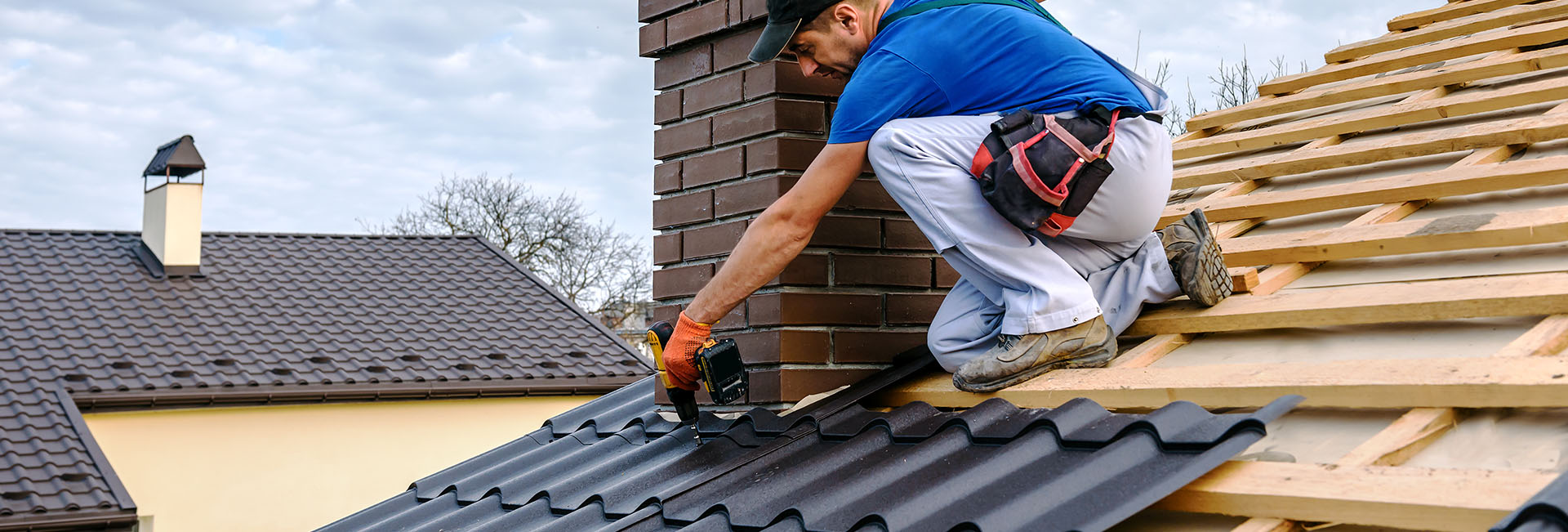
December 26, 2024•7 min read
Replacing a roof is a significant investment that can impact your home’s protection and overall value. To ensure you’re making the best decision, it’s important to ask the right questions when hiring a roofing contractor. This will help you avoid costly mistakes and give you peace of mind knowing you’re working with a trustworthy and skilled company. Whether you’re replacing your roof due to age or damage, here are the top questions to ask a roof replacement company before starting your project.
1. Are You Licensed and Insured?
One of the first questions to ask any roofing company is whether they are licensed and insured. A proper license ensures that the company has met the industry standards and regulations required in your area. Insurance, on the other hand, protects you from liability in case an accident happens during the roof replacement. A reputable roofing company should carry both general liability insurance and workers’ compensation insurance. These are important for protecting your property and ensuring that their workers are covered in case of injury.
2. How Long Have You Been in the Roofing Business?
Experience matters a lot when it comes to roofing. An experienced roofing company is more likely to provide quality work and handle challenges that may arise during the project. Asking how long they have been in business will give you a sense of their stability and reliability. Companies with a longer track record are often more skilled and have a better understanding of various roofing systems. This can ensure that your roof replacement is done correctly and on time.
3. Can You Provide References or Examples of Past Work?
Always ask for references or examples of the company’s previous projects. This helps you assess their work quality and customer satisfaction. A reliable roofing contractor should be willing to provide testimonials or show you photos of past projects. If possible, reach out to a few references to ask about their experience with the contractor. Were they satisfied with the work? Was the project completed on time and within budget? These insights will help you make an informed decision.
4. What Roofing Materials Do You Offer?
There are various types of roofing materials available, each with its benefits and drawbacks. Ask the roofing company what materials they offer and recommend for your home. Some common materials include asphalt shingles, metal, tile, and slate. They should be able to explain the pros and cons of each material and help you choose the one that best fits your needs, budget, and style preferences. Additionally, find out if they offer warranties on their materials and workmanship, as this can provide long-term protection.
5. How Will You Protect My Property During the Roof Replacement?
Roof replacement can be messy, and it’s important to ask how the contractor plans to protect your home and property during the process. They should take precautions to safeguard landscaping, windows, and other exterior elements. This might include using tarps or protective barriers to catch debris. It’s also a good idea to inquire about their cleanup process after the project is complete. A professional roofing company should leave your property as clean as it was when they arrived.
6. What’s the Estimated Timeline for the Project?
Roof replacement is not a quick process, so understanding the timeline is essential. Ask the company how long they expect the project to take from start to finish. While some delays are inevitable due to weather conditions or unforeseen issues, a reputable contractor should provide a clear and realistic schedule. Having an estimated timeline helps you plan around the work and ensures there are no surprises regarding project duration.
7. What Will the Total Cost Be?
Before hiring a roofing company, you need to have a clear understanding of the total cost of the project. Request a detailed, written estimate that breaks down the cost of materials, labor, and any additional fees. Be sure to ask if any potential costs could arise during the project, such as repairs to underlying structures. Understanding the full cost upfront will help you avoid unexpected expenses and keep the project within your budget.
8. Do You Offer a Warranty?
A warranty is an essential part of any roof replacement project. It protects case something goes wrong after the work is completed. Ask the roofing company what type of warranty they offer on both the materials and the workmanship. Most reputable contractors will offer a warranty on their labor, in addition to the manufacturer’s warranty on the materials. Make sure you understand the terms of the warranty and how long it will last.
9. How Will You Handle Unexpected Issues?
Sometimes, unexpected problems can arise during a roof replacement, such as discovering underlying damage that wasn’t visible before the old roof was removed. Ask the contractor how they handle unforeseen issues and whether they will provide you with a plan for dealing with them. They should also be transparent about any additional costs that may result from addressing these problems. Being prepared for unexpected situations will help you avoid stress and additional delays.
10. Will You Subcontract Any of the Work?
It’s common for some roofing companies to subcontract certain parts of the project, such as removing the old roof or installing specific materials. While subcontracting isn’t necessarily a problem, you should know who will be working on your home. Ask the company if they will use subcontractors and, if so, ensure that those subcontractors are experienced and insured. You want to make sure that all workers on the project are qualified and held to the same high standards.
11. Do You Have Experience With My Type of Roof?
Different homes have different roofing systems, and not all contractors have experience with every type of roof. Whether you have a flat roof, a sloped roof, or a roof made from unique materials like tile or metal, it’s important to ask if the contractor has experience with your specific roofing type. This ensures that they understand the unique challenges of your roof and know how to install or replace it properly.
12. How Do You Communicate With Clients During the Project?
Communication is key to the success of any project. Ask the roofing company how they will keep you informed throughout the process. Will they provide regular updates on the project’s progress? Will you have a specific point of contact you can reach out to with questions or concerns? Clear communication can prevent misunderstandings and ensure the project stays on track.
13. Do You Follow Local Building Codes and Permitting Requirements?
Roofing projects must comply with local building codes and permitting requirements. It’s important to ask the roofing contractor if they are familiar with these regulations and if they will obtain the necessary permits before starting the project. Working with a company that follows local codes ensures that your roof replacement is done legally and safely, preventing potential problems down the road.
14. What Happens if There’s Bad Weather During the Project?
Weather can significantly impact a roof replacement project, especially if rain or storms occur while the roof is exposed. Ask the contractor how they plan to handle bad weather and what precautions they take to protect your home if the weather takes a turn for the worse. A reliable company should have a plan in place for securing your roof and preventing water damage during the replacement process.
15. Will You Perform a Final Inspection After the Project Is Complete?
After the roof replacement is finished, it’s important for the contractor to perform a final inspection to ensure everything has been done correctly. Ask if the company will inspect the roof and address any issues that may have been overlooked. A final walkthrough with the contractor allows you to verify that the work meets your expectations and that the project is complete to your satisfaction.
Conclusion
Asking the right questions before hiring a roofing company is crucial for ensuring a smooth and successful roof replacement. From understanding the total cost and timeline to verifying licenses and warranties, these questions will help you make an informed decision and avoid potential pitfalls. Take the time to carefully evaluate your options and choose a contractor who meets your needs and budget.
When you’re ready to start your roof replacement project, consider working with Legacy Roofing And Contracting. They offer the experience, transparency, and professionalism you need for a successful roofing project.
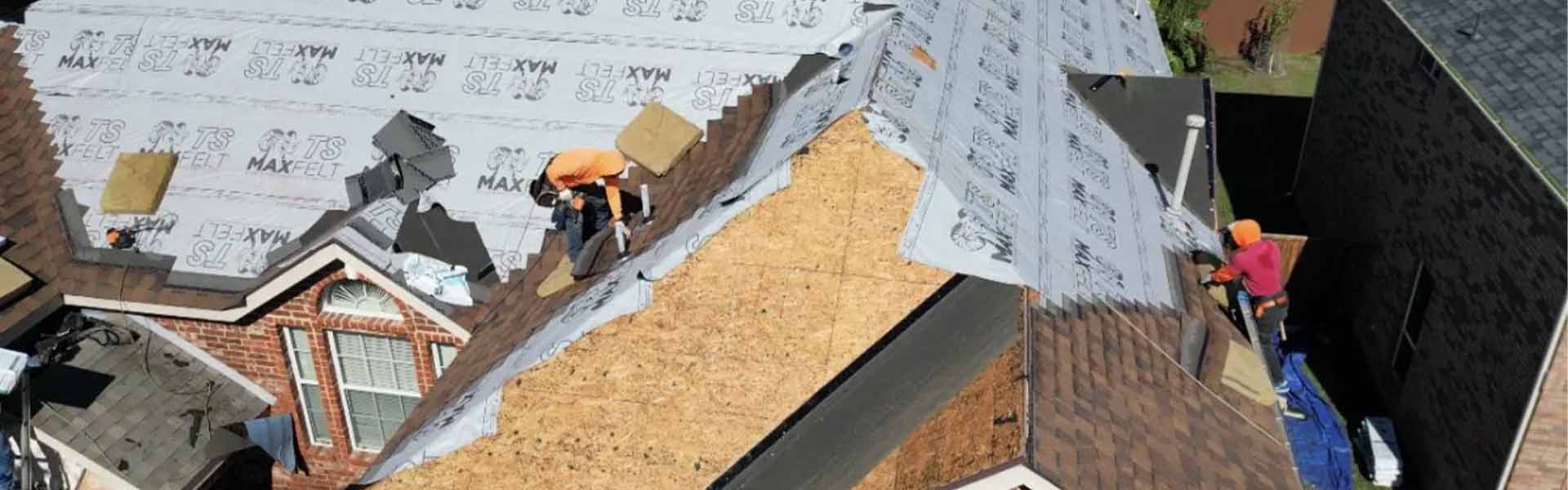
The roof is undeniably one of the most critical components of any home or commercial building. It serves as the first line of defense against harsh weather conditions, from torrential rains to blazing heat. A sturdy and reliable roof not only ensures the safety and comfort of the inhabitants but also significantly contributes to the overall structural integrity of the building. Therefore, its importance cannot be overstated. However, like any other component, roofs are susceptible to wear and tear and may require either repair or replacement over time. The decision between roof repair and replacement is a significant one, and it requires careful consideration. It’s a critical decision that directly influences the safety and durability of your home or commercial building.
Roof repair involves fixing specific areas of the roof that have been damaged due to various factors, such as storm damage, leaks, or general wear and tear. It’s a less drastic option that can extend the lifespan of your roof when done correctly. On the other hand, roof replacement is a more extensive process that involves removing the entire existing roof and installing a new one. This option is typically considered when the roof is beyond repair or it’s more cost-effective to replace rather than repair.
Making the right decision between roof repair and replacement can be challenging. However, understanding the condition of your roof, the extent of the damage, and weighing the costs and benefits of each option can guide you in making an informed decision. This article will delve deeper into these aspects and provide insights to help you make the right decision.
Understanding Roof Damage
To make an informed decision between roof repair and replacement, it’s crucial to understand roof damage, its common causes, signs, and potential consequences if neglected. Roof damage can result from multiple factors. Harsh weather conditions like heavy rain, snow, hail, and strong winds are among the most common culprits. Other causes include poor maintenance, improper installation, and natural wear and tear over time.
Identifying the Signs and Symptoms of a Damaged Roof
Identifying the signs and symptoms of a damaged roof is the first step toward addressing the issue. Leaks, damp patches on the ceiling, peeling paint, and visible wear on shingles or tiles are often clear indicators. You may also notice sagging areas, missing shingles, or granules in the gutter. It’s important to regularly inspect your roof, especially after a severe weather event, to catch any damage early.
What Happens if You Ignore Roof Damage
Ignoring roof damage can lead to a host of problems, some of which can be extremely costly and hazardous. Water intrusion can lead to structural damage, mold growth, and electrical issues. In severe cases, it can even result in roof collapse. Additionally, damaged roofs can drastically reduce energy efficiency, resulting in higher utility bills. Thus, it’s essential to address any damage promptly to maintain the safety, structural integrity, and efficiency of your home.
Roof Repairs
After understanding the common causes and signs of roof damage, you might be wondering when roof repair is the best option. Generally, roof repair is a viable solution when the damage is localized and doesn’t affect the overall structure of the roof. For instance, if the problem area is confined to a small section due to a fallen tree limb or a minor leak, a repair may be all that’s needed to restore your roof to its optimal condition.
The Process of Roof Repair
The process of roof repair begins with a professional inspection to assess the extent of damage and determine the best course of action. The roofer will then remove the damaged shingles or tiles, inspect the underlying structure for any further damage, and replace the damaged area with new material. This process is meticulous and requires the skills of an experienced roofer to ensure the longevity of the repairs.
The Cost and Time Involved in Roof Repair
The cost and time involved in roof repair significantly depend on the extent of the damage and the type of materials used. Minor repairs can often be completed within a day and can be relatively inexpensive. However, more extensive damage may require a larger budget and a longer period of completion.
The Pros and Cons of Choosing Roof Repair
Choosing roof repair comes with its pros and cons. On the positive side, repairs can be less expensive, less time-consuming, and less disruptive than a full roof replacement. They can also extend the lifespan of your roof if done correctly. However, repairing a roof that is beyond its lifespan or severely damaged can only be a temporary fix and may lead to more costly issues down the line. In such cases, replacement might be a more cost-effective and long-term solution.
Roof Replacement
In contrast to roof repairs, a roof replacement becomes a necessity when the damage extends beyond localized areas, compromising the overall integrity of the roof. This situation often arises when a roof has exceeded its expected lifespan or has been severely damaged by extreme weather conditions or other unforeseen incidents.
The Process of Roof Replacement
The process of roof replacement is more intensive than simple repairs. First, a thorough inspection is conducted to assess the extent of the damage. Then, the existing roofing material is completely removed. The underlying structure is inspected for damage, and any necessary repairs are made before the new roofing material is installed. This process ensures that the new roof isn’t just a cosmetic update, but is structurally sound and able to protect the home for years to come.
The Cost and Time Involved in Roof Replacement
The cost and time involved in roof replacement are significantly higher than roof repairs. This is due to the extent of work involved, including the removal of the existing roof, potential structural repair, and the installation of a new roof. The time frame can vary depending on the size of the roof, the materials used, and the weather conditions, but it typically takes several days to complete.
The Advantages and Drawbacks of Choosing Roof Replacement
There are both advantages and drawbacks to choosing roof replacement over repair. On the positive side, a new roof can increase the value of your home, improve its appearance, and provide peace of mind knowing that your home is protected by a roof in optimal condition. However, the initial cost of replacement can be a deterrent for many homeowners. Additionally, the process can be more disruptive, requiring homeowners to adjust their daily routines to accommodate the work.
Making the Right Decision
Consider the Age and Overall Condition of the Roof
Making the right decision between roof repair and replacement requires careful consideration of several factors. These include the age and overall condition of the roof, the extent of the damage, cost implications, and long-term plans for the property. If the roof is relatively new or in its mid-life stage and the damage is minor, repair may be the most cost-effective solution. However, if the roof is nearing the end of its lifespan or the damage is extensive, replacing the roof could be a more worthwhile investment.
The Role of a Professional Roofing Contractor
The role of a professional roofing contractor in this decision-making process cannot be overstated. Their expertise and experience will help you accurately assess the extent of the damage, weigh the pros and cons of repair versus replacement, and make an informed decision that ensures optimal roof performance and longevity. They can advise whether the damage is localized and can be fixed through repairs, or whether the problems are systemic, indicating a need for a full replacement. Getting a roof inspection is a crucial step in this process. A thorough roof inspection will reveal any hidden issues and provide a clear picture of the roof’s overall condition. For dependable roof repairs and replacements, look no further than Legacy Roofing And Contracting.
What to Expect During Inspection
During an inspection, a roofing contractor will check for signs of wear and tear, assess the extent of the damage, and determine the remaining lifespan of the roof. This information will be critical in determining whether repairs will suffice or if a full replacement is necessary. In summary, the decision between roof repair and replacement depends on a variety of factors and should be made in consultation with a professional roofing contractor. A thorough roof inspection will provide the necessary information to make an informed decision that best suits your needs.
Conclusion
In conclusion, the decision between roof repair and replacement is not simply a matter of preference, but rather a calculated choice that weighs multiple factors. As we’ve explored, this includes the roof’s age and current condition, the degree of damage, and the financial implications. All of these elements converge to dictate the most sensible course of action, whether that be a repair or a complete replacement.
This critical decision should never be taken lightly as it directly impacts your home’s structural integrity, aesthetic value, and even your financial stability. It is for these reasons that the guidance of a professional roofing contractor is invaluable. These experts possess the experience and skills to conduct a thorough and accurate roof inspection, revealing any hidden issues and providing an honest and comprehensive assessment of your roof’s state. Their expert advice can guide you towards the most cost-effective and lasting solution, ensuring your decision is both informed and beneficial in the long run.
In essence, there’s no substitute for professional expertise when it comes to roofing matters. While it might seem tempting to cut costs by making this decision independently, doing so may lead to inadequate solutions and even greater expenses down the line. Therefore, we strongly encourage homeowners to consult with a professional before deciding between roof repair and replacement. Ultimately, ensuring your home has a sturdy and reliable roof is an investment in your home’s future, and making the right decision is key. Trust Legacy Roofing And Contracting for expert roof repairs and replacements. Our experienced team ensures reliable service and lasting results, safeguarding your home from the elements.
Name, Address, and Phone
Legacy Roofing And Contracting
3908 Williamson Rd #120, Crowley, Texas, 76036, US
817-993-5522
The Long-Term Benefits of Roof Replacement
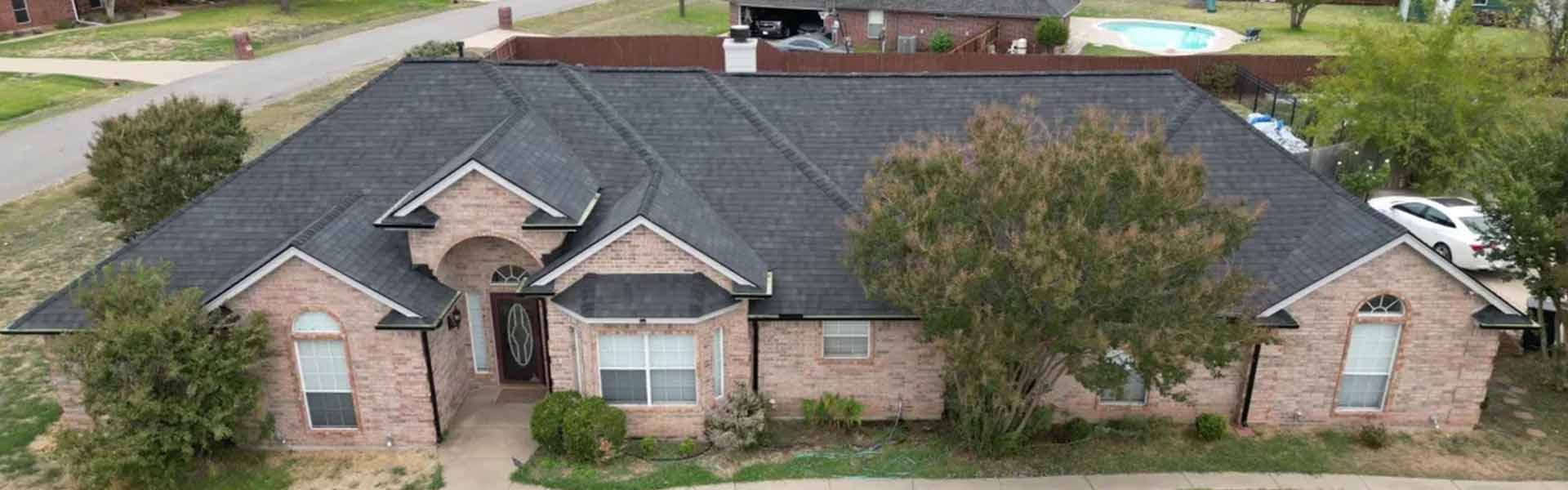
Every homeowner understands the significance of a sturdy and well-maintained roof. As the primary defense against nature’s elements, your roof stands as the guardian of your home, shielding it from harsh weather conditions, be it the scorching summer sun, the torrential rain, or the biting winter cold. Over time, however, even the most durable roof succumbs to wear and tear, compromising not only the aesthetics of your home but also its structural integrity and safety. It’s at this point that the concept of roof replacement comes into the picture.
Roof replacement is not merely an aesthetic upgrade; it is a valuable investment into the longevity and overall quality of your home. While it might seem like a significant expenditure initially, the long-term benefits of a roof replacement are undeniable and far-reaching. From improved energy efficiency to increased property value, a new roof can provide a multitude of advantages that go beyond the immediate appeal of a fresh, unblemished surface. In this article, we delve into the long-term benefits of roof replacement, highlighting why it can be a game-changer for your home and its value in the long run.
The Lifespan of a Roof
There is no denying that the lifespan of a roof is a crucial factor in determining when a roof replacement becomes necessary. The lifespan of a roof can vary significantly based on the materials used during its construction. For instance, asphalt shingle roofs, one of the most common types, typically last between 15 to 30 years. On the other hand, metal roofs have an impressive lifespan of 40 to 70 years, and slate roofs can last over a century. However, it’s worth noting that these lifespans heavily depend on factors such as climate, maintenance, and the quality of installation.
Signs That Your Roof May Be Nearing the End of its Lifespan
Moving to the tell-tale signs that your roof may be nearing the end of its lifespan, there are several indicators homeowners should keep an eye out for. If your roof is shedding more granules than usual, it could be a sign of imminent failure. These granules, which resemble coarse, black sand, protect the asphalt in the shingles from harmful UV rays. Once they start to fall off in large quantities, the shingles begin to deteriorate faster. Other common signs include curled or buckling shingles, sagging areas, and visible light through the roof boards in your attic. Moreover, frequent leaks and needing regular costly repairs can signal that your roof is nearing the end of its lifespan.
Understanding the lifespan of your roof and knowing the signs of aging are critical in identifying the right time for roof replacement. While replacing your roof is a significant investment, the long-term benefits, from increased property value to enhanced energy efficiency and safety, make it a worthwhile endeavor.
Understanding Roof Replacement
Roof replacement is a comprehensive process that involves the complete removal of the existing roof, down to the deck. This process allows for a thorough inspection of the underlying structure, ensuring that any hidden damages are identified and addressed. Once the old roof has been fully stripped away, new roofing materials are systematically installed. This includes the underlayment, which provides an additional layer of protection against water and wind damage, the drip edge, which guides runoff water away from the structure, the roofing material itself, and finally, the flashing, which is placed around any penetrations or intersections to prevent leakage.
The Condition of the Existing Roof
Before deciding on a roof replacement, there are several key considerations to make. The condition of the existing roof is the primary factor in this decision. If the roof is nearing or has exceeded its expected lifespan and is showing signs of significant wear and tear, such as curling or missing shingles, frequent leaks, or excessive granule loss, replacement might be the most cost-effective solution in the long run.
The Cost
The cost is another major factor to consider. While a roof replacement is a significant investment, it can lead to substantial savings over time. A new roof is more energy-efficient, leading to lower heating and cooling costs. Moreover, it can dramatically increase the value of your home, making it an excellent investment if you plan to sell in the future.
The Choice of Roofing Material
Lastly, the choice of roofing material is crucial. Each material has its lifespan, cost, maintenance requirements, and aesthetic appeal. The right choice will depend on your budget, climate, and personal preferences. By considering all these factors, you can make an informed decision and enjoy the numerous long-term benefits of a roof replacement.
Long-Term Financial Benefits
Cost Efficiency
Delving into the financial benefits of roof replacement, one of the most significant advantages lies in its cost efficiency. While frequent repairs may seem like a less costly solution in the short run, a full roof replacement ultimately proves to be more economical in the long term. Regular roof repairs can quickly add up over time, especially when dealing with older roofs that are more prone to damage and issues. In contrast, replacing an old roof eliminates the need for constant repairs, which can result in substantial savings over time.
Increases the Property Value of the Home
Moreover, roof replacements can significantly increase the property value of a home. A new roof not only enhances the exterior look of a house but also signals to potential buyers the property has been well-maintained. This can be a compelling selling point, as a new roof means the buyer won’t have to worry about roof-related problems or expenditures for many years to come. Therefore, investing in a roof replacement can provide an excellent return on investment when selling a property.
Considerable Energy Savings
Lastly, roof replacement can lead to considerable energy savings. A new roof, especially one designed with energy-efficient materials, provides better insulation, reducing the need for heating in winter and cooling in summer. This improved insulation can significantly reduce energy bills, contributing to long-term savings. Today’s roofing materials are more advanced and better equipped to regulate temperature, making them a wise investment for homeowners seeking to optimize their energy consumption.
Safety and Health Benefits
Protection From Weather and External Elements
Moving beyond the obvious financial benefits, replacing your roof imparts a wealth of safety and health benefits that cannot be overlooked. The first and foremost is protection from weather and external elements. A new, structurally sound roof is your home’s primary line of defense against the harsh elements. Whether it’s heavy rain, scorching sun, high winds, or freezing snow, a sturdy roof shields your home, providing you with a safe and comfortable living environment. With the unpredictable weather patterns we’re experiencing due to climate change, this protection is more vital than ever. Moreover, a new roof helps in the prevention of health risks such as mold and mildew.
Creates a Healthier Living Environment
Old, damaged roofs often have leaks, which can create damp conditions inside your home. This dampness is a breeding ground for mold and mildew, which can cause a host of health problems, including allergies, asthma, and other respiratory issues. By replacing a worn-out roof, you can prevent these issues, protect the health of your family, and create a healthier living environment.
Improves Your Home’s Indoor Air Quality
Lastly, a roof replacement can significantly improve your home’s indoor air quality. An old roof may have several issues such as poor ventilation, excess humidity, and accumulation of dirt and dust, all of which can negatively impact the air quality inside your home. A new roof, however, ensures proper ventilation and controls humidity levels, thereby improving the overall indoor air quality. This not only provides a more comfortable living environment but also reduces potential health risks associated with poor air quality.
Aesthetic and Comfort Benefits
Moving on from the crucial health and safety benefits, another compelling advantage of roof replacement is the significant improvement it brings to the aesthetics and comfort of your home.
Enhance Curb Appeal
A new roof can dramatically enhance the curb appeal of your property, making it more attractive and potentially increasing its market value. With a plethora of styles, materials, and colors available, you can choose a roof that complements your home’s architecture, blends well with the neighborhood, and expresses your style. A striking new roof can transform the look of your property, making it stand out in your neighborhood.
Impacts the Comfort Levels Within Your Home
Beyond the enhanced curb appeal, a roof replacement also offers a direct impact on the comfort levels within your home. A well-installed, high-quality new roof is a powerful insulator, providing superior temperature regulation throughout the year. During the summer months, a new roof can reflect more sunlight and heat, helping to keep your home cooler. In the winter, it can prevent warm air from escaping, maintaining a cozy temperature indoors. This improved thermal performance not only makes your living space more comfortable but also reduces the strain on your heating and cooling systems, potentially saving you money on your energy bills.
In conclusion, while a roof replacement might seem like a significant investment upfront, the long-term benefits – including aesthetic enhancement, increased comfort, and potential energy savings – make it a worthwhile decision for homeowners.
Environmental Impact
Improves Energy Efficiency
Following the aesthetic and comfort benefits, a major consideration in roof replacement is its environmental impact. A new roof can play an instrumental role in improving the energy efficiency of your home. Traditional roofs absorb a significant amount of solar energy, leading to an increase in the interior temperature of a house. On the contrary, a newly replaced roof, especially those designed with energy efficiency in mind, can reflect more sunlight and absorb less heat. This results in a cooler house during hot weather, reducing the need for air conditioning and, consequently, your energy consumption.
The Insulation Properties of a New Roof
Moreover, the insulation properties of a new roof provide another dimension to its energy efficiency. Improved insulation means less heat is lost during colder months, reducing the need for heating systems to work overtime. In both scenarios, a new roof can significantly curtail the amount of energy used, leading to a reduction in CO2 emissions and a smaller carbon footprint.
Environmentally Friendly Roofing Materials
In addition to improving energy efficiency, roof replacement offers the opportunity to use environmentally friendly roofing materials. These materials, which include recycled shingles, metal roofing, and cool roofs, have less of an environmental impact in their production, installation, and even disposal. Recycled shingles are made from waste materials like wood fiber, rubber, and plastic, reducing landfill waste. Metal roofing, on the other hand, is highly durable and can be recycled at the end of its long life. Cool roofs reflect more sunlight and absorb less heat, promoting energy conservation.
In essence, replacing your roof can be a significant step towards a more sustainable and eco-friendly home. With a new roof, you’re not only enhancing your home’s aesthetic appeal and comfort but also contributing to the preservation of our environment.
Conclusion
In conclusion, the long-term benefits of roof replacement cannot be overstated. A key takeaway from this discussion is that roof replacement is more than just a short-term solution to leakages or weather damage. It is an investment into the future of your home and the environment. A new roof significantly reduces energy consumption by providing better insulation and reflecting sunlight, which in turn, reduces the strain on your HVAC system. Combine this with the option of using environmentally friendly materials like recycled shingles, metal roofs, and cool roofs, and you have a winning formula for sustainable living.
The ability to merge personal benefit with environmental responsibility is what makes roof replacement a truly worthwhile investment. In the long run, the cost of roof replacement can be offset by the savings made from reduced energy bills, less frequent repairs, and an increase in property value. Moreover, the use of sustainable roofing materials helps in reducing landfill waste and carbon emissions, contributing to a healthier environment.
So, if you are considering a home renovation project, do not overlook the importance of roof replacement. It goes beyond just enhancing the aesthetic appeal of your home, it improves your quality of life and makes a positive impact on the environment. This makes it an investment that is not just beneficial for you, but for generations to come. Opt for Legacy Roofing And Contracting for your roof replacement needs, where their expertise ensures a seamless process and superior results, providing your home with lasting protection and peace of mind.
Name, Address, and Phone
Legacy Roofing And Contracting
3908 Williamson Rd #120, Crowley, Texas, 76036, US
817-993-5522
How Often Should You Replace Your Roof?
Just as the foundation of a home is critical to its structural integrity, so too is the roof. It’s your primary line of defense against the elements, protecting you from rain, wind, snow, and extreme temperatures. It’s not just about keeping dry and comfortable, it is also about preserving the overall health and maintenance of your home, which is why understanding the importance of roof replacement is vital. Failing to replace your roof when it’s due can lead to a whole host of problems, including water damage, mold, structural issues, and even increased energy costs. Therefore, roof replacement is not something to be taken lightly or postponed indefinitely.
The lifespan of a roof is not set in stone, it varies greatly depending on several factors. The type of roofing material used is one of the main determinants. For instance, asphalt shingles can last anywhere between 15 to 30 years, while metal roofs can last up to 70 years. Other factors include the quality of installation, the climate and weather conditions in your area, and how well the roof has been maintained. Even the color of your roof can affect its lifespan, with lighter colors reflecting more sunlight and therefore lasting longer than darker ones. All these factors need to be considered when thinking about roof replacement, as they can greatly affect when and how often it should be undertaken.
Different Types of Roofing Materials
Asphalt Shingles
A key determinant in understanding the frequency of roof replacement lies in the type of material used. Let’s delve into some common types and their respective lifespans. Firstly, we have the most common roofing material, asphalt shingles. They are popular due to their cost-effectiveness and ease of installation. However, they have a relatively shorter lifespan, typically lasting between 15 to 30 years depending on their quality and the weather conditions they are exposed to.
Metal and Tile Roofs
Metal roofs, while initially more expensive, can last anywhere from 40 to 70 years. Not only are they durable, but they also require less maintenance, making them a long-lasting option for homeowners. Tile roofs, made from clay or concrete, are known for their durability and resistance to harsh weather conditions. They can last a whopping 50 to 100 years with proper maintenance. They are, however, more expensive and require professional installation due to their heavy weight.
Wood Shake Roofs
Lastly, wood shake roofs bring a natural and rustic look to homes. While their aesthetic appeal is high, they have a lifespan of about 20 to 40 years and require regular maintenance to prevent rot and decay. The choice of roofing material significantly influences the lifespan of your roof and therefore the frequency of its replacement. It is crucial to balance the initial cost, ongoing maintenance needs, and the expected lifespan when choosing the roofing material for your home.
Signs Your Roof Needs Replacement
The Presence of Leaks
The lifespan of your roof is largely dependent on the type of material used, but even the most durable roofs can suffer from damage that necessitates a full replacement. Recognizing the signs that your roof might need replacement is a critical part of maintaining your home’s integrity. One of the most common and obvious signs of a roof in need of replacement is the presence of leaks. When water is making its way into your home, it means that the protective barrier of your roof has been compromised. This could be due to cracked or missing shingles, damaged flashing, or other vulnerabilities.
Damaged or Missing Shingles
Another sign to look out for is damaged or missing shingles. Shingles are your roof’s first line of defense against the elements. When they are curled, buckled, cracked, or missing, it’s a clear sign that your roof may be nearing the end of its lifespan. Not only are damaged shingles unsightly, but they also indicate potential underlying issues.
Moss Growth
Moss growth is another sign that your roof might need replacement. While moss gives your roof a charming, rustic look, it can cause significant damage over time. Moss retains moisture, which can lead to rot and deterioration of the roofing material underneath.
Roof’s Age
In addition to these signs, a roof that is more than 20 years old should be evaluated by a professional as it may be nearing the end of its effective service life, especially if it hasn’t been properly maintained. Remember, while a roof replacement can be a significant investment, it’s far less costly than the extensive damage an old or failing roof can cause to your home.
Factors Affecting Roof Lifespan
Weather Conditions
The lifespan of a roof can be influenced by several factors, including weather conditions, maintenance, installation, and even the color of the roof. Firstly, weather conditions play a significant role in the longevity of your roof. Extreme weather patterns, such as heavy rains, strong winds, and intense sun, can cause significant wear and tear on your roof, reducing its lifespan. For instance, in regions with harsh weather, the roofing material can erode faster, leading to leaks and other damage.
Maintenance
Secondly, maintenance is a crucial factor in determining how long your roof will last. Regular inspections and timely repairs can extend the lifespan of a roof significantly. A roof that is neglected and not regularly maintained is likely to develop issues sooner and will need to be replaced earlier.
The Quality of Installation
Thirdly, the quality of installation can greatly affect your roof’s lifespan. A poorly installed roof may not only lead to damage and leaks but also necessitate premature replacement. Therefore, it is essential to hire a professional roofing contractor to ensure the job is done correctly the first time.
The Color of Your Roof
Lastly, the color of your roof can also impact its durability. Darker colors tend to absorb more heat, which can lead to faster deterioration, especially in areas with high temperatures. On the other hand, lighter colors reflect heat and can help keep your roof and home cooler, potentially extending the life of your roof.
Therefore, while some signs point to the immediate need for a roof replacement, understanding these influencing factors can help homeowners make informed decisions about the longevity of their roof and when a replacement may be necessary.
The Importance of Regular Roof Maintenance
Understanding the essential role of regular roof maintenance in extending the lifespan of your roof is crucial for every homeowner. One cannot overstate the importance of consistent inspections and maintenance, as they not only prolong the life of your roof but also enhance the safety of your home.
What Regular Roof Maintenance Involves
Regular roof maintenance involves routinely checking for any signs of damage or wear and tear, which could include cracked, missing, or loose shingles, sagging areas, or leaks. By identifying and addressing these issues early, you can prevent them from escalating into more significant problems that could compromise the integrity of your roof and, by extension, your home.
Regular Roof Inspections by Professional Roofers
Moreover, regular roof inspections by professional roofers can reveal hidden damage that may not be visible to the untrained eye. These experts are equipped with the knowledge and tools to effectively assess your roof’s condition and recommend necessary repairs or replacements. They can spot minor issues that if left unattended, could lead to costly repairs, leakages, and even structural damage to your home. A well-maintained roof also contributes to your home’s energy efficiency, especially with roofs of darker colors that tend to absorb more heat.
Cost Savings
Regular maintenance can ensure that your roof continues to function optimally, providing adequate insulation and limiting the amount of heat absorbed. This can result in significant savings on your energy bills over time. Remember, while the initial costs for regular maintenance may seem high, in the long run, it can save you from more costly roof replacements. It’s an investment in your home’s longevity and safety. Therefore, regular roof inspections and maintenance are not just optional activities for homeowners; they are necessary measures for maintaining the durability of your roof, the safety of your home, and the comfort of your living environment.
Conclusion
In conclusion, as we have traversed through this comprehensive guide, it’s clear that the need for a roof replacement isn’t something to be taken lightly or ignored. Your roof is a crucial component of your home, acting as a protective barrier against the elements while also contributing to your home’s overall aesthetic appeal. The frequency of roof replacement depends on a variety of factors, including the type of roofing material used, the quality of the installation, the climate in your area, and how well the roof is maintained.
Regular roof inspections and maintenance can help prolong the lifespan of your roof and offset the need for a replacement. However, when repairs are no longer sufficient to maintain the integrity and functionality of your roof, a replacement becomes necessary. The need for immediate replacement can also arise due to severe weather events or accidents that cause extensive damage to the roof.
In essence, the importance of a well-maintained, solid roof cannot be overstated. It is not only a matter of protecting your home and your belongings, but it’s also about ensuring your comfort and safety. Replacing your roof at the right time is therefore not just a matter of cost-efficiency, but also a responsibility to your home and your loved ones. Replace your roof with the help of Legacy Roofing And Contracting. With their expertise, you’ll receive a seamless process and superior results, ensuring your home receives reliable protection and long-lasting durability against the elements.
Name, Address, and Phone
Legacy Roofing And Contracting
3908 Williamson Rd #120, Crowley, Texas, 76036, US
817-993-5522
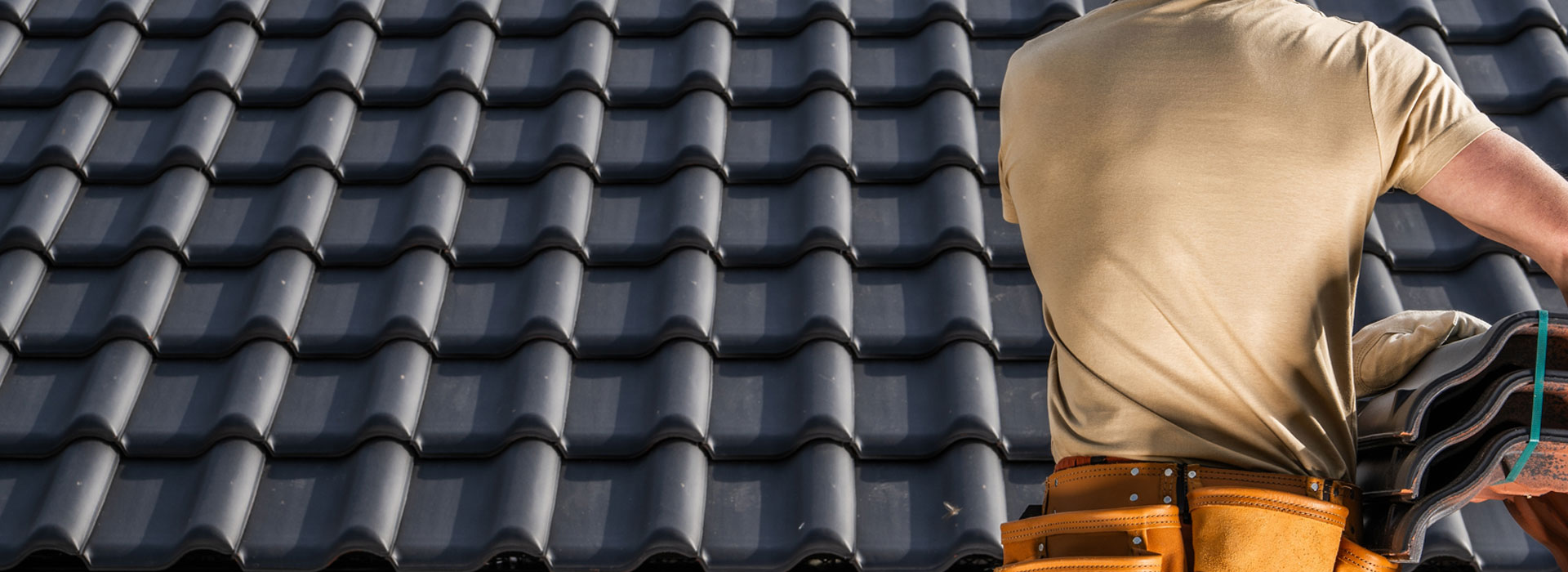
Roof maintenance, although often overlooked, is a critical aspect of home maintenance. Just like any other part of your home, your roof requires regular attention and care. Neglecting this important part of your property could lead to costly damages and even a decrease in your property’s value. The importance of maintaining your roof cannot be overstated. It is the first line of defense against the elements, protecting your home and everything inside it. Regular roof maintenance is paramount not only to prevent leaks and potential structural damage but also to extend the life of your roof.
The lifespan of a well-maintained roof can significantly exceed those that are neglected. Various factors influence the longevity of a roof, including the materials used, the quality of installation, the local climate, and, most importantly, the level of maintenance. With proper care, a roof made from high-quality materials can last anywhere from 20 to 50 years- or even longer. By routinely checking for signs of damage, cleaning gutters, trimming overhanging branches, and getting professional inspections, homeowners can increase their roof’s lifespan.
In conclusion, the importance of regular roof maintenance cannot be overlooked. Not only does it protect your home from potential damage, but it also significantly extends the lifespan of your roof. By incorporating regular maintenance into your home care routine, you can save money, time, and stress in the long run.
Understanding Your Roof
Common Types of Roofing Materials and Their Maintenance Requirements
In the journey of extending the life of your roof, understanding your roof and its unique needs is a crucial first step. Different types of roofing materials require different maintenance strategies. For example, asphalt shingles, the most common type of roofing material, often require regular inspection and replacement of damaged shingles. On the other hand, metal roofs, known for their durability and longevity, require less frequent maintenance, usually involving the removal of debris and periodic re-coating. Similarly, wood shingles or shakes demand regular treatment to prevent rot and decay, while clay or concrete tiles may need occasional replacement due to breakage. Each of these materials has its own specific maintenance needs and knowing which applies to your roof is essential in ensuring its longevity and performance.
Local Climate and Weather Conditions
However, your roof’s material isn’t the only factor to consider. The local climate and weather conditions can significantly impact your roof’s lifespan. For example, roofs in areas with heavy snowfall may suffer from ice dams, which can cause significant damage if not promptly addressed. Similarly, roofs in regions with high humidity levels can be prone to moss and algae growth, which may deteriorate the roofing material over time.
In contrast, regions with high heat and sunlight exposure can cause roofing materials to fade and deteriorate more quickly, requiring more frequent maintenance and replacement. Therefore, understanding the impact of your local climate on your roof can help you anticipate potential issues and take preventative measures to extend your roof’s life.
Routine Roof Inspection
Frequency of Roof Inspections
Moving on from understanding the unique needs of your roof’s material and the impacts of local climate, we come to a crucial aspect of roof maintenance: Routine Roof Inspection. When it comes to the frequency of roof inspections, it is generally recommended to conduct a thorough check at least twice a year, preferably during spring and fall. However, it is also advisable to perform quick checks after severe weather events, such as heavy storms or hail, as they can cause immediate and noticeable damage.
Key Factors to Look Out For
During these inspections, there are several key factors to look out for. You should be on the lookout for any signs of cracks, leaks, and general wear and tear. Cracks can lead to leaks, which can cause significant damage to your home’s interior if not addressed promptly. Regular wear and tear, on the other hand, is natural but can be accelerated by severe weather conditions and age. Look for missing, curled, or damaged shingles, as well as any discoloration or signs of rust on metal roofs. Checking the gutters for shingle granules is also important, as a large amount of granules could indicate advanced wear.
Benefits of Hiring a Professional for Roof Inspections
While a DIY inspection can help detect obvious issues, there are benefits to hiring a professional for roof inspections. Professionals come with a trained eye, able to spot potential problems that an untrained homeowner might miss. They can also provide an in-depth assessment of your roof’s condition and offer recommendations on necessary repairs or replacements. In the long run, this small investment can help extend the life of your roof and save you from costly damages in the future. Remember, an ounce of prevention is worth a pound of cure, especially when it comes to maintaining your roof.
Preventive Maintenance
Cleaning and Maintaining Your Roof
Preventive maintenance is the next critical step after routine inspections in extending the life of your roof. A key element of this involves cleaning and maintaining your roof, as accumulated debris, moss, and algae can trap moisture and cause damage over time. Use a long-handled soft-bristle brush to gently remove debris and consider a professional roof cleaning service for moss or algae issues. Regular cleaning not only prevents damage but also enhances your home’s curb appeal.
Trim Tree Branches
Overhanging trees and other potential hazards can pose significant threats to your roof’s durability. Tree branches can scrape against roofing materials, leading to wear and tear, while fallen leaves can clog gutters and downspouts. It’s advisable to trim tree branches that hang too close to your roof and routinely clean your yard to prevent any wind-blown debris from damaging the roof.
Gutter Maintenance
Lastly, always appreciate the role of gutter maintenance in roof care. Clogged gutters can lead to water backup and seep into the roof structure, causing significant damage. Regularly clean your gutters, especially during fall and spring, when leaves and debris accumulation are at their peak. Consider installing gutter guards to minimize the amount of debris that can enter your gutters. By doing so, you’re extending the life of your roof and preventing potential damage to your home’s foundation and landscape.
Addressing Roof Damage
Understand How to Address Roof Damage
Moving on from preventive measures, it’s equally essential to understand how to address roof damage when it occurs. One common form of roof damage is cracking, which can be caused by various factors such as age, weather conditions, or improper installation. Another prevalent type of damage is leaks, typically resulting from missing or broken shingles, damaged flashing, or gaps in the roofing material. To address these issues, it’s crucial to regularly inspect your roof and immediately repair any damage discovered. Depending upon the extent of the damage, a professional roofer might be needed to ensure the task is done correctly and safely.
Deciding When to Repair Versus Replace Your Roof
Deciding when to repair versus replace your roof is a significant decision homeowners often battle with. While minor damage like a few missing shingles or a small leak can be repaired, more extensive damage might necessitate a roof replacement. Factors to consider when making this decision include the roof’s age, the extent of the damage, and the cost of repair versus replacement. If the roof is near or past its expected lifespan and has widespread damage, replacement might be the more cost-effective option in the long run.
The Role of Prompt Repair in Preventing Further Damage
Finally, it’s important to note the significance of prompt repair in preventing further damage. Ignoring minor issues can lead to more significant problems down the line, such as structural damage to the home or mold growth. Moreover, the longer damage is left unaddressed, the more expensive it becomes to fix. Therefore, maintaining a proactive approach to roof maintenance, including regular inspections and prompt repairs, is the best way to extend the life of your roof and protect your home.
Choosing a Roofing Contractor
Check for Specific Attributes When Hiring a Roofing Contractor
Choosing the right roofing contractor is a crucial aspect of any roof maintenance plan. The contractor you select will play a significant role in extending the life of your roof. Therefore, it is essential to check for specific attributes when hiring a roofing contractor. These include licensing, as a licensed contractor is more likely to understand local requirements and quality standards. Additionally, experience is vital as it is a testament to their knowledge and expertise in the roofing industry. Finally, references and reviews can provide insights into their work ethics and customer satisfaction levels.
Prepare a Set of Questions Before Engaging a Roofing Contractor
Before engaging a roofing contractor, it is essential to prepare a set of questions to gauge their suitability for your project. These questions could range from their previous experience in handling similar projects, their approach to resolving potential challenges, to their expected timelines for completion. It is also prudent to ask about their team’s size and qualifications to understand their capacity to deliver within the stipulated time.
Understanding Warranties and Insurance
Understanding warranties and insurance related to roofing projects is another critical area. A warranty can protect against defects in materials and workmanship, while insurance covers accidents that may occur during the project. It is a good practice to ask your potential contractor about the warranty they offer and whether they have valid insurance. Always insist on written proof of their insurance to protect yourself from any potential liability.
In summary, selecting the right roofing contractor involves careful consideration of their qualifications, experience, and the warranties and insurance they offer. A well-chosen contractor can play an invaluable role in maintaining your roof’s longevity and robustness, thereby ensuring that it serves you well for many years. Ensure the longevity of your roof with maintenance from Legacy Roofing And Contracting. Count on their skilled team for reliable and professional service.
Conclusion
In conclusion, the benefits of regular roof maintenance cannot be overstated, especially when considering long-term cost implications. Regular maintenance prevents minor issues from escalating into major ones that could result in costly repairs or even a complete roof replacement. By investing in regular checks and minor repairs, property owners can avoid these large, unexpected expenses and significantly increase their roof’s lifespan. This could translate to substantial savings over the life of the roof.
To recap, proper roof maintenance is an essential task to extend the life of your roof. It involves routine inspections, cleaning, and minor repairs, all performed with a level of expertise and attention to detail. The importance of hiring a competent roofing contractor, as discussed earlier, becomes crucial here. A reputable contractor, equipped with the necessary licensing, experience, and positive reviews, ensures that the maintenance tasks are carried out effectively and efficiently, thus extending the roof’s overall lifespan.
In addition to their technical skills, a good roofing contractor offers warranties and insurance, providing an extra layer of protection for your investment. So while proper roof maintenance may seem like an added cost, in reality, it is a strategic investment that pays off in the long run by preventing major issues and extending the life of your roof. Protect your home with regular roof maintenance from Legacy Roofing And Contracting. Trust their expertise for a durable and well-maintained roof.
Name, Address, and Phone
Legacy Roofing And Contracting
3908 Williamson Rd #120, Crowley, Texas, 76036, US
817-993-5522
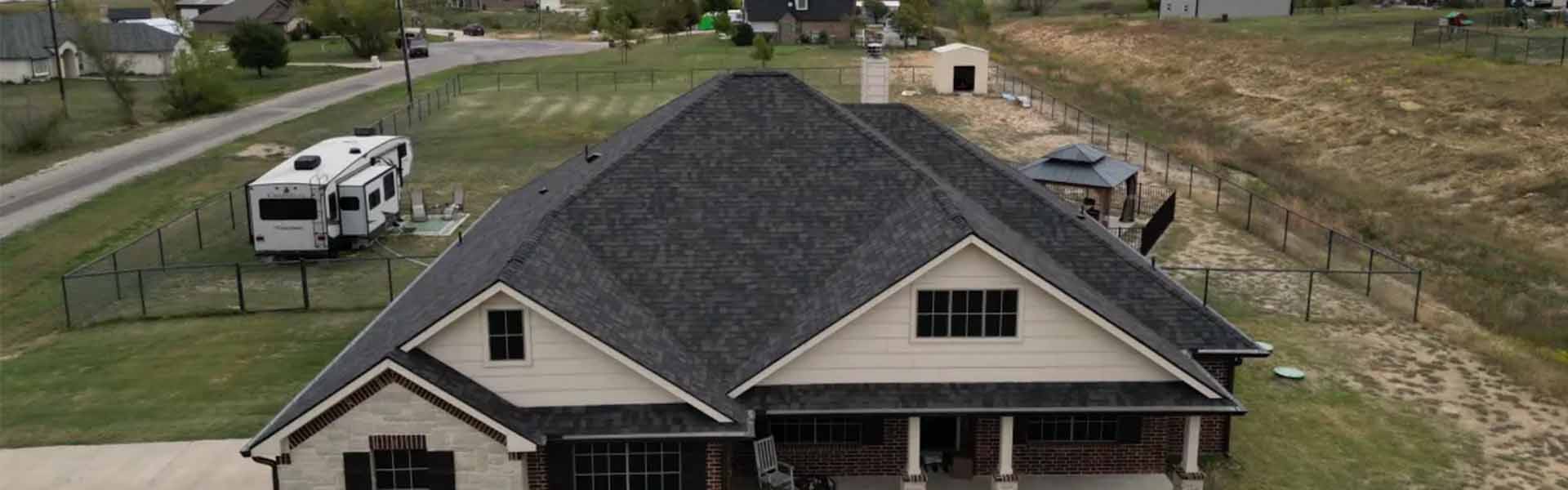
When it comes to home maintenance, some issues demand immediate attention, while others seem less pressing. A leaky faucet? You can wait a day or two to fix it. But a damaged or worn-out roof? That’s a whole different story. Many homeowners delay roof replacement because they think it’s too expensive or time-consuming. What they don’t realize is that waiting too long can lead to far greater problems—problems that could cost you more than just money. In this post, we’ll explore the risks of delaying roof replacement and why it’s essential to act quickly when your roof starts to show signs of damage.
The Hidden Costs of Delayed Roof Replacement
When we think about roof damage, we often picture visible issues like missing shingles, cracked tiles, or leaks. But what about the problems you can’t see? Roof damage that’s left unaddressed can cause structural problems that go far beyond just your roof. These issues often creep up slowly and can end up costing you far more than the price of a new roof.
Here are some of the main dangers of delaying a roof replacement:
Water Damage and Mold Growth
A damaged roof is like an open door for water to enter your home. Even a small leak can allow moisture to seep into your attic, walls, and ceiling. Over time, this moisture can cause wood rot, weaken your home’s structure, and lead to mold growth. Mold isn’t just unsightly—it’s a health hazard, especially for people with allergies, asthma, or weakened immune systems.
The worst part? Mold can spread quickly. By the time you notice it, the damage may already be extensive, requiring costly repairs. Instead of dealing with mold remediation, which can take weeks and thousands of dollars, it’s much more cost-effective to hire a roofing replacement contractor to install a new roof before the damage gets worse.
Structural Damage
Water is a roof’s worst enemy. When water seeps through a damaged roof, it can start to erode the structural integrity of your home. Roof decking, rafters, and joists can all suffer damage when exposed to long-term moisture. What begins as a small leak can turn into sagging beams, warped walls, and even foundation problems.
Delaying roof replacement increases the chances of these serious structural issues. You may think you’re saving money by waiting, but if your roof’s structural components become compromised, the cost of repairs will skyrocket. At that point, you’re not just paying for a new roof; you’re paying to repair or replace the underlying framework of your home.
Working with a roof replacement company in Crowley before your home experiences structural damage can save you significant time, stress, and money in the long run.
Energy Inefficiency
Many people don’t realize that a damaged roof can lead to higher energy bills. When your roof is compromised, air from your home can escape through gaps and holes. This means your HVAC system has to work harder to maintain a comfortable temperature, whether heating your home in the winter or cooling it in the summer.
The result? Higher energy bills month after month. Instead of continuing to overpay for energy costs, consider replacing your roof. A new roof will improve insulation, seal gaps, and help regulate your home’s temperature more effectively.
A qualified roof replacement contractor can also advise you on energy-efficient roofing materials that can further lower your energy bills and reduce your environmental impact.
Pest Infestations
An old, damaged roof can act as an open invitation for pests. Squirrels, raccoons, birds, and even insects can make their way into your attic through cracks, holes, or loose shingles. Once they’ve made themselves at home, these pests can cause serious damage. Squirrels and raccoons are known for chewing through electrical wires, which can create a fire hazard.
Not only are pests difficult to get rid of, but the damage they cause can be expensive to repair. If you’re hearing scratching or scurrying sounds coming from your roof or attic, it’s time to contact a roof replacement company before the problem escalates.
Decreased Property Value
Your home’s roof is one of its most visible features. A worn-out, damaged roof can hurt your property’s curb appeal, and if you plan on selling your home in the future, a bad roof can significantly lower your property’s value.
Potential buyers may be hesitant to purchase a home that needs a major roof replacement, or they may use it as a negotiating tool to lower the price. Even worse, some lenders may refuse to approve a mortgage for a home with serious roof damage, making it more difficult to sell.
Investing in a new roof not only protects your home but also increases its value and marketability. A professional roof replacement contractor can guide you in choosing a roof that complements your home’s style and enhances its appearance.
Unexpected Emergency Repairs
Delaying roof replacement can lead to an unexpected roofing emergency. It might happen in the middle of a storm when heavy rain or high winds cause extensive damage to an already weakened roof. Emergency roof repairs are often more expensive than planned replacements, especially if they happen during bad weather or off-hours.
What’s worse, these repairs might only be temporary fixes. If your roof is beyond repair, you may still need to replace it soon after, which means you’ll end up paying for both emergency repairs and a full replacement.
Avoid the stress and additional costs of emergency roof repairs by hiring a roof replacement company at the first sign of trouble. Proactive replacement will save you from dealing with a sudden roofing crisis.
Voided Insurance Coverage
Many homeowners assume their insurance will cover the cost of roof damage. However, if your insurance company finds that the damage was due to negligence (failing to replace a roof that was clearly in disrepair), they may deny your claim.
Insurance policies often have stipulations that require homeowners to maintain their roofs. If you delay roof replacement and your roof sustains more damage as a result, your insurance may not cover the repairs. This could leave you with the entire bill.
By working with a reputable roof replacement contractor, you can ensure that your roof is in good condition and reduce the risk of denied insurance claims.
Increased Repair Costs
Small roof repairs can turn into major ones if left unchecked. What might have been a simple fix could become a full-scale replacement of roofing materials, insulation, and even interior damage repair. When water damage spreads or pests create havoc, the cost of addressing the situation grows exponentially.
It’s far more cost-effective to address roofing issues early. Replacing your roof when you first notice signs of wear will be much cheaper than waiting until the damage has worsened. A professional roof replacement company can assess your roof and help you decide when it’s time for a full replacement.
Take Action Before It’s Too Late
While it may be tempting to delay roof replacement to save money, the risks far outweigh the benefits. From water damage to pest infestations, a damaged roof can cause problems that go beyond what’s visible to the naked eye. Waiting too long can result in expensive repairs, health hazards, and even a decrease in your property’s value.
By hiring a roof replacement company or working with an experienced roof replacement contractor, you can address roofing issues before they escalate. It’s a proactive investment in your home’s long-term health, safety, and value.
Name, Address, and Phone
Legacy Roofing And Contracting
817-993-5522
3908 Williamson Rd #120, Crowley, Texas, 76036
Connect with us


Legacy Roofing and Contracting is proud to be your trusted local roofing experts!