
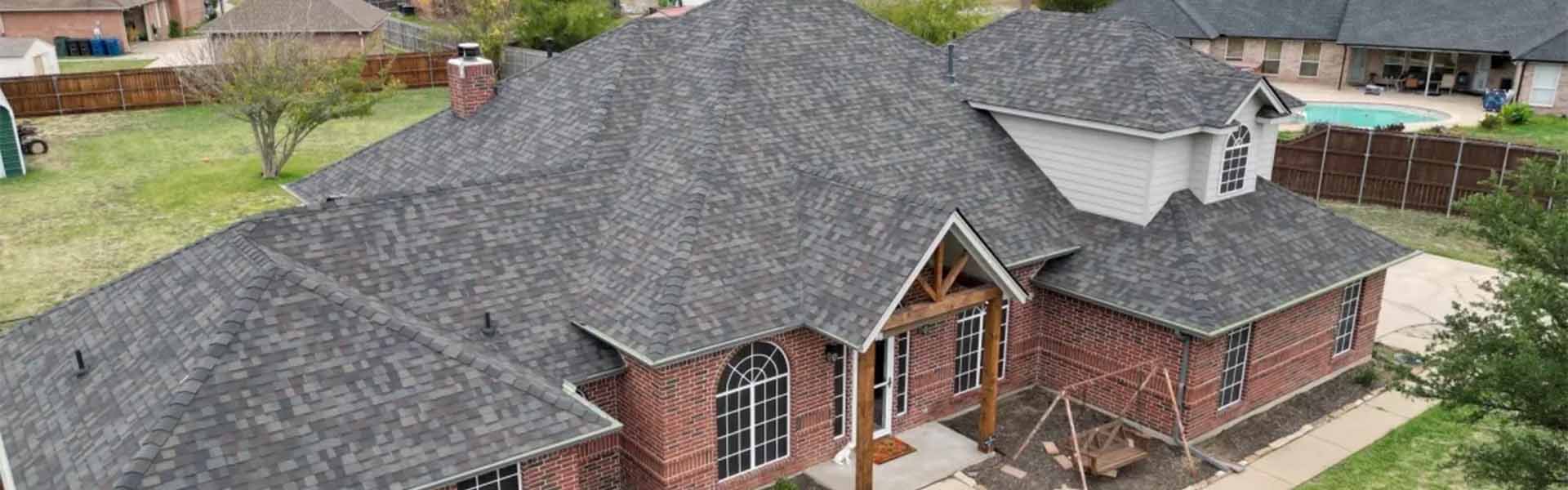
Roof replacement is a critical part of maintaining a safe and comfortable home. It not only protects the structure from weather conditions but also improves the overall appearance and value of your property. However, the timing of this significant home improvement project is crucial. Planning your roof replacement during the optimal season can make the process smoother, more efficient, and even less costly.
The consideration of timing for a roof replacement can be influenced by various factors. These include the local climate, the availability of roofing contractors, the type of roofing material used, and the current condition of your roof. It’s also important to think about your schedule and budget. What is the best time of year for a roof replacement? The answer might surprise you. In the following sections, we will delve into these factors in greater detail to help you decide the best time for your roof replacement.
Understanding the Roof Replacement Process
Understanding the roof replacement process is fundamental in determining the best season for your project. A comprehensive roof replacement typically involves the removal of existing shingles, a thorough inspection of the underlying structure, and then the installation of new roofing materials. This process begins with the careful stripping of old shingles, which can be a laborious task depending on the roof’s size and the materials used. The underlying roof deck is then inspected for signs of damage, such as rot or moisture infiltration. Any damaged areas are repaired before the application of a new roofing layer.
The Duration of the Roof Replacement Process
The average duration of a roof replacement can widely vary depending on several factors. The size and complexity of the roof, the materials used, and the weather conditions can all impact the timeline. On average, a simple, straightforward roof replacement on a standard-sized home can take anywhere from a couple of days to a week. However, larger homes or roofs with complex features such as multiple levels, intricate designs, or specialty materials may require additional time for a proper installation.
Materials Used in Roof Replacement
There is a wide range of materials that can be used in roof replacements, each with its benefits and drawbacks, and seasonal considerations. Asphalt shingles, for example, are a popular choice due to their affordability and durability, but they are best installed in mild weather conditions as extreme temperatures can affect their performance. Metal roofs, on the other hand, can withstand a larger range of temperatures, making them a suitable choice for both hot and cold seasons. Slate and tile roofs are highly durable and long-lasting, but their installation can be laborious and time-consuming, so planning for these projects should consider periods of optimal weather.
In conclusion, understanding the roof replacement process, its average duration, and the materials involved can significantly aid in choosing the ideal season for your project. By aligning your roofing project with optimal conditions for your chosen materials and factoring in the scope of the project, you can ensure a smooth and effective roof replacement.
Factors to Consider When Choosing the Best Season for Roof Replacement
Consider the Weather Conditions
One of the most crucial factors to consider when planning a roof replacement is the weather conditions and their impact on the project. The process of roof replacement, which involves removing old shingles, repairing the roof deck, and installing new materials, can be greatly affected by the weather. For example, extreme heat can cause roofing materials to warp, while rain or snow can delay the project and cause water damage. Consequently, many homeowners opt for roof replacement during late spring or early fall when the weather is typically more predictable and moderate.
The Availability of Roofing Contractors
The availability of roofing contractors is another key factor to consider. Roofing is a seasonal business, with many contractors being busiest during the summer and fall months. This high demand can lead to longer wait times and potentially higher costs. By planning your roof replacement for the off-season, such as late winter or early spring, you may have a better chance of scheduling your preferred contractor and possibly negotiating a lower price.
Cost Implications
Cost implications should also be taken into account when deciding on the best season for roof replacement. Prices can fluctuate based on the time of year, with costs typically being higher during the peak roofing season due to high demand. Additionally, certain roofing materials may be more expensive at different times of the year due to changes in supply and demand. Homeowners should consider getting quotes from several contractors at different times of the year to ensure they are getting the best price.
The Impact of Roof Replacement on Daily Life
Lastly, the impact of roof replacement on daily life is a factor that should not be overlooked. The process can be noisy and disruptive, especially if the home is occupied during the work. Depending on the season, this could interfere with outdoor activities or even indoor comfort if the home’s heating or cooling has to be turned off during work. Therefore, homeowners should consider their family’s schedule and lifestyle when deciding on the best season for roof replacement.
Comparing the Four Seasons: Pros and Cons for Roof Replacement
Spring
In the spring, the weather starts to warm up providing a comfortable climate for roof replacements. The mild weather conditions are ideal for sealing, curing, and setting of roof materials, ensuring a high-quality finish. On the downside, spring is often a busy season for roofing contractors due to its favorable weather. This can lead to longer waiting times and potentially higher costs.
Summer
Summer presents a mixed bag. In the early parts of summer, weather conditions are typically stable and warm, ideal for roof replacement. However, as the season progresses, high temperatures can make working conditions harsh for the roofing crew, potentially slowing down the project. Additionally, summer is considered peak season for many contractors, which may result in higher prices and longer wait times.
Fall
Fall is generally considered the best time for roof replacement. The moderate temperatures and low rainfall provide ideal conditions for roofing materials to seal and cure properly. In addition, contractors may be less busy after the summer rush, leading to faster job completion and potentially lower costs. However, one downside is that day become shorter, thus reducing the amount of time contractors can work each day.
Winter
Winter, on the other hand, is typically the least favorable season for roof replacements. Cold temperatures can make it difficult for roofing materials to seal properly, potentially compromising the quality of the job. Moreover, severe weather conditions can cause delays or even halt work altogether. However, since winter is an off-peak season, homeowners may enjoy lower prices and immediate service due to contractor availability.
Expert Recommendations
In the ‘Expert Recommendations’ section, industry professionals weigh in on the best season for roof replacement. According to a veteran roofing contractor with over 20 years of experience, ‘Fall is the gold standard season for roof replacement. The weather is typically dry and cool, making it ideal for installation. Additionally, since the days start getting shorter, contractors are usually motivated to complete the jobs faster.’ However, he also emphasizes that homeowners should consider their unique circumstances and not strictly adhere to seasonal norms.
On the other hand, a renowned home improvement consultant, suggests that early summer is an excellent time for roof replacement. She notes, ‘Early summer offers stable weather conditions that are perfect for roof replacement. Plus, the days are longer, which means workdays can be more productive.’ However, she warns about the potential heat waves in the latter part of the season, which could interrupt the project.
Lastly, a construction project manager has a different perspective. He argues, ‘Winter is an underrated season for roof replacements. Although it may seem counterintuitive due to the cold and sometimes harsh weather conditions, winter installations can be cost-effective. The demand for roofing services is often lower, leading to competitive pricing and immediate service availability.
In conclusion, there seems to be no one-size-fits-all answer to the best season for roof replacement. The consensus among experts is that homeowners should consider their individual needs, budgets, and timelines when deciding.
Conclusion
In conclusion, the best season for roof replacement largely depends on multiple factors such as weather conditions, cost-effectiveness, service availability, and individual homeowner’s needs. Fall remains a popular choice due to its mild weather, allowing for efficient work and reduced risk of weather-related delays or issues. Meanwhile, early summer is favored for its long workdays and stable weather conditions, which can be advantageous for more complex jobs. Winter, on the other hand, can offer the most cost-effective solutions due to decreased demand, although poor weather conditions can sometimes pose challenges.
Regardless of the season, homeowners should carefully consider their unique circumstances, including their budget and schedule, before making a decision. Emergencies, for instance, may necessitate immediate roof replacement regardless of the season. It is also crucial to take into account the type and complexity of the roofing work required, as some jobs may take longer or require specific weather conditions to be performed effectively.
Finally, homeowners planning a roof replacement should always consult with roofing professionals to ensure they choose the best time for their specific needs. Additionally, proper maintenance and regular inspections can help to prevent unexpected issues and prolong the lifespan of your roof, potentially saving you time and money in the long run. Remember, the ultimate goal is to ensure a sturdy and durable roof over your head, and the best season for roof replacement is the one that best meets this goal. Trust Legacy Roofing And Contracting to professionally handle roof replacements year-round, ensuring quality craftsmanship and peace of mind regardless of the season.
Name, Address, and Phone
Legacy Roofing And Contracting
3908 Williamson Rd #120, Crowley, Texas, 76036, US
817-993-5522
Connect with us


Legacy Roofing and Contracting is proud to be your trusted local roofing experts!