When it comes to the roof over your head, it’s easy to think that minor fixes or repairs will be enough to keep everything safe and secure. After all, most homeowners don’t spend much time thinking about their roofs until something goes wrong. However, there’s a big difference between handling roof repairs and needing a full residential roofing replacement. While it may seem like a roof replacement is just a bigger repair job, it’s much more than that. Let’s explore why replacing your roof involves much more than just fixing a few issues and what you need to know before calling a roof replacement contractor.
Understanding Roof Repairs
Roof repairs are generally small fixes. When your roof starts to show signs of wear, like missing shingles or leaks, a quick repair might seem like the easiest and cheapest option. For many homeowners, roof repairs are enough to address minor issues caused by weather, aging materials, or damage from a storm. A professional roofer can often replace a few shingles, patch up a leak, or seal cracks, which buys you some extra time before more serious action is needed.
However, repairs are only a short-term solution. While they can help you avoid the cost of a full roof replacement for a while, they don’t address the underlying structural issues affecting your roof. Over time, repairs can pile up, and the cost can also add up.
When Roof Repairs Aren’t Enough
There comes a point when simply patching up issues on your roof isn’t enough to ensure your home’s protection. Like any other part of your home, roofs have a limited lifespan. Depending on the materials used, most residential roofs last anywhere from 20 to 30 years. If your roof is nearing the end of its expected lifespan, repairs won’t solve the underlying problem. At this stage, continuing to repair the roof can cost you more in the long run, especially if the underlying structure becomes damaged.
If you’ve had multiple roof repairs done in a short period or are noticing frequent leaks, it may be time to consider a full roof replacement. A residential roofing replacement goes beyond surface-level fixes to address the full scope of issues your roof may be facing.
What Is a Residential Roofing Replacement?
A residential roofing replacement is the process of completely removing the old roof and installing a new one. Unlike repairs, which only focus on damaged areas, a full replacement involves inspecting, removing, and replacing all the materials that make up your roof. This includes the shingles, underlayment, flashing, and sometimes even the roof deck if there is damage underneath.
While this may sound like a major project (and it is), the results provide long-lasting benefits for your home. You’re not just fixing immediate problems; you’re investing in the long-term safety and value of your property.
Why Roof Replacement Is More Than Just a Repair
Here’s why a roof replacement is far more than just a large repair job:
Structural Integrity Matters
When you’re replacing your roof, it’s not just about what’s visible. A Crowley roof replacement contractor will thoroughly inspect the underlying structure of your roof. Over time, the wood or metal framing beneath your shingles can weaken or rot, especially if moisture has been seeping in unnoticed. Replacing the roof allows contractors to address these unseen issues, ensuring your home is safe from future structural problems.
Improved Energy Efficiency
Older roofs are often not as energy-efficient as new ones. Over time, materials lose their ability to insulate your home, and small gaps or cracks can let in drafts. When you invest in a full residential roofing replacement, you’re not just improving the appearance of your home; you’re also enhancing its energy efficiency. New roofing materials, combined with proper installation, can help regulate your home’s temperature, lowering your energy bills in the long run.
Better Protection Against the Elements
One of the main reasons to consider a full roof replacement is the enhanced protection it provides against the elements. Over the years, exposure to rain, wind, snow, and the sun weakens your roof’s ability to shield your home. Newer roofing materials are designed to withstand extreme weather conditions better than older materials, offering you and your family better protection from leaks, water damage, and other weather-related issues.
Boosting Home Value
A residential roofing replacement is a significant investment, but it’s also an investment in the value of your home. A new roof increases curb appeal and gives potential buyers confidence that they won’t have to deal with roofing issues shortly. If you’re planning to sell your home within the next few years, a roof replacement can help you get a better return on your investment.
Customization and Material Choices
Another reason why roof replacement is more than just a repair job is the ability to customize your new roof. When it’s time for a full replacement, you have the opportunity to choose the best materials for your home’s style, your climate, and your budget. Modern roofing materials come in a variety of options, including asphalt shingles, metal roofing, tile, and more. These materials not only offer different levels of durability and energy efficiency but also allow you to enhance the look of your home.
Long-Term Peace of Mind
While repairs can temporarily fix roofing issues, they don’t provide the long-term peace of mind that a full roof replacement does. With a new roof, you can rest easy knowing that you won’t have to worry about leaks, drafts, or other issues for years to come. Most new roofs come with warranties that cover both materials and workmanship, giving you confidence that your home is well-protected.
Choosing the Right Roof Replacement Contractor
Given the importance of a roof replacement, choosing the right roof replacement contractor is crucial. A professional contractor will not only provide high-quality materials but also ensure the installation process is done correctly. The right contractor will:
- Conduct a thorough inspection of your current roof
- Provide a detailed estimate and timeline for the project
- Use high-quality materials that match your home’s needs
- Ensure proper installation techniques to maximize the lifespan of your new roof
- Offer a warranty on both materials and workmanship
When searching for a roof replacement contractor, make sure to do your research. Look for reviews, ask for referrals, and check if the contractor is licensed and insured. A good contractor will communicate with you throughout the process, ensuring you understand every step involved in the replacement.
Conclusion
Residential roofing replacement is much more than just a repair job. While repairs can temporarily fix small problems, a full roof replacement offers long-lasting benefits that enhance the safety, comfort, and value of your home. By investing in a new roof, you’re investing in your home’s future.
If you’re noticing signs of roof damage or your roof is approaching the end of its lifespan, consider speaking with a trusted roof replacement contractor. They can assess your roof’s condition and help you make the best decision for your home.
Name, Address, and Phone
Legacy Roofing And Contracting
817-993-5522
3908 Williamson Rd #120, Crowley, Texas, 76036
Preventing Roof Damage: Tips and Tricks
The roof, often overlooked, is one of the most crucial elements of any structure. It serves as the first line of defense against the elements, shielding the interior from rain, snow, wind, and sunlight. The importance of roof maintenance and damage prevention cannot be overstated. Regular maintenance and timely repairs can extend the life of your roof, saving you significant costs in the long run. Moreover, a well-maintained roof contributes to energy efficiency by keeping your home or building insulated and reducing energy costs. Therefore, adopting a proactive approach towards roof maintenance is not just a necessity, but a smart, cost-effective strategy.
Neglecting roof maintenance, on the other hand, can lead to severe consequences. Over time, even minor issues like a small leak can escalate, causing extensive damage. Water ingress can lead to the growth of mold and mildew, which can pose serious health risks. Moreover, if left unattended, roof damage can lead to structural issues that compromise the safety of the building, leading to costly repairs or even a complete roof replacement. The deterioration of the roof also negatively impacts the building’s curb appeal and value. In sum, a little neglect can lead to significant expense, health hazards, and a decrease in property value.
The Basics of Roof Maintenance
Understand the Different Types of Roofing Materials
In ‘The Basics of Roof Maintenance’, we delve deeper into the principles and processes of maintaining a roof to prevent damage. First and foremost, it’s crucial to understand the different types of roofing materials and their respective maintenance needs. Asphalt, metal, wood, tile, or slate – each material has unique properties that require specific care. For instance, while asphalt roofs might need regular shingle replacement, metal roofs require inspections for rust and corrosion. Familiarizing yourself with your roof’s material and its maintenance demands is a proactive step toward preventing roof damage.
Regular Roof Inspections
Regular roof inspections also play a pivotal role in maintenance. A routine inspection can reveal early signs of damage like missing or worn shingles, leaks, or moss and algae growth. These inspections should be more frequent in areas prone to extreme weather conditions, as these can accelerate wear and tear. Early detection not only mitigates the damage but also saves on costly repairs in the long run.
The Importance of Professional Help
However, while there’s a place for DIY in roof maintenance, the importance of professional help can’t be overstated. Professionals have the necessary training and tools to spot and address issues that might go unnoticed by an untrained eye. They can also perform maintenance tasks safely, reducing the risk of accidents. Therefore, engaging professional roof maintenance services is a worthwhile investment in preserving and enhancing the value of your property.
Preventing Physical Damage
Consider the Impact of Weather Conditions on Roof Damage
Moving on from the basic elements of roof maintenance, let’s delve into the specifics of preventing physical damage to your roof. The first thing to consider in this regard is the impact of weather conditions on roof damage. Weather elements such as wind, rain, and snow can cause significant damage to the roof if not properly managed. For example, strong winds can rip off shingles, heavy rains can lead to water leaks, and accumulated snow can cause the roof to collapse due to its weight. Understanding how these factors can affect your roof is the first step toward effective prevention.
Ensure that Your Roof is Well-Constructed and Maintained
To protect your roof from wind, rain, and snow damage, it is essential to ensure that your roof is well-constructed and maintained. This includes choosing durable roofing materials and ensuring proper installation. Regular inspections are also crucial. These checks can identify any loose or missing shingles vulnerable to wind damage. Additionally, ensuring proper roof drainage can prevent the accumulation of rainwater, leading to leaks or water damage. When it comes to snow, it’s important to remove it promptly to avoid excess weight on the roof.
The Role of Trees and Vegetation in Causing Roof Damage
Despite the importance of weather-related precautions, the role of trees and vegetation in causing roof damage should not be overlooked. Overhanging branches can scrape and damage roofing materials, while fallen leaves can block gutters, leading to water backup and potential leaks. To prevent this kind of damage, keep trees and vegetation well-trimmed, and clean your gutters regularly to ensure proper drainage.
In summary, preventing physical damage to your roof involves understanding the impact of weather conditions and taking necessary precautions, such as maintaining the quality of roofing materials, regular inspections, and managing the surrounding vegetation. This goes hand-in-hand with the basics of roof maintenance, contributing to the overall integrity and longevity of your property.
Preventing Water Damage
As we transition from the discussion on the prevention of physical damage to roofs, it is equally important to understand the dangers of water damage and leaks. Water damage is one of the most common and costliest problems affecting roofs. It is insidious and can lead to severe structural issues if left unchecked. Water leaks can lead to the growth of mold and mildew, rotting of roof framing, and damage to insulation and ceilings. Therefore, it is crucial to take preventative measures to avoid these problems.
Ensuring Proper Roof Drainage
A key strategy to prevent water damage is ensuring proper roof drainage. A well-structured roofing system must have an efficient drainage system that directs water away from the roof. This includes the design of the roof itself, which should be sloped so that water does not accumulate. Additionally, downspouts and gutters should be correctly installed and maintained. They should be free from blockages that can cause water to back up and seep into the roof structure, leading to significant damage over time.
Importance of Regular Gutter Cleaning
This brings us to the importance of regular gutter cleaning. Gutters act as a channel that directs water off the roof and away from the building. However, over time, gutters can become clogged with leaves, dirt, and other debris. When this happens, water can overflow, seeping into the roof and the building’s foundation. Regular gutter cleaning, especially during the fall and after severe storms, is a simple yet effective way of preventing this problem.
In summary, water damage presents a serious threat to the lifespan and integrity of your roof. By understanding the dangers of water damage, ensuring proper roof drainage, and maintaining regular gutter cleaning, you can extend the life of your roof and save on costly repairs.
Preventing Pest Damage
Just as water damage poses a significant threat to the integrity of your roof, the invasion of pests can also contribute to substantial roof damage. Common pests such as termites, rodents, birds, squirrels, and even insects can be responsible for deteriorating roof quality. These pests can chew or peck through roofing materials, causing leaks and structural damage. They can also build nests that block gutters, leading to the same water damage issues discussed in the previous section.
Regular Inspections
To prevent pest damage, it is essential to incorporate a few strategic methods. Regular inspections are a critical first step. By scheduling routine roof inspections, homeowners can identify any signs of pest infestation early, before the damage becomes severe. Pest control professionals can inspect for signs of pest activity, such as gnaw marks, droppings, nests, or unusual noises.
Maintain the Landscape Around the House
Another preventative measure is to maintain the landscape around the house. Overhanging trees or branches can provide easy access for pests to reach the roof. Therefore, trimming back trees and removing any potential ‘bridges’ to the roof can discourage pests from making your roof their home.
Seal Off Potential Entry Points
Lastly, it is important to seal off potential entry points. Small gaps or holes in the roofing material, fascia, or soffits can allow pests to enter. Regularly checking for and repairing these potential entry points can greatly reduce the risk of a pest infestation.
Address the Issues Promptly
If pests have already caused damage, it’s important to address the issue promptly. Professional pest control services can effectively remove the infestation and prevent future ones. Once the pests are removed, any damage should be repaired immediately to prevent further issues.
In conclusion, pest prevention and treatment should be an integral part of your roof maintenance strategy. This, along with the previously discussed water damage prevention measures, will ensure the longevity and durability of your roof.
Proactive Measures to Protect Your Roof
Proper Insulation
In taking proactive measures to protect your roof, insulation plays a vital role in maintaining the integrity and durability of your roof. Proper insulation not only keeps your home warm during the cold months and cool during the hot ones, but it also prevents moisture buildup that can lead to damaging leaks and roof decay. By keeping your attic well-insulated and ventilated, you can protect your roof from the inside out, reducing the risk of damage and prolonging its lifespan.
Benefits of Annual or Biannual Professional Inspections
In addition to insulation, the benefits of annual or biannual professional inspections cannot be overstated. A professional roofing contractor has the expertise to spot early signs of damage that may not be immediately visible to the untrained eye. They can identify potential problems such as loose shingles, cracks, or damaged flashing before they escalate into more severe issues. By scheduling regular inspections, you can address minor problems early on and prevent them from becoming costly repairs down the line.
Importance of Quick Repairs to Prevent Further Damage
Lastly, the importance of quick repairs to prevent further damage is paramount. As soon as damage is detected, whether it is a small leak or a large hole, immediate action should be taken to repair it. Delaying repairs not only allows the damage to worsen, but also can lead to additional issues such as water damage, mold growth, and structural instability. By promptly addressing any damage, you can prevent further deterioration and maintain the integrity of your roof.
Conclusion
In conclusion, the essence of regular roof maintenance and preventative measures cannot be overstated. The vitality of your home’s roof is a matter of significant importance. This is not just about aesthetics, but about the safety and longevity of your home. Proactive steps like ensuring proper insulation to prevent moisture buildup, scheduling regular professional inspections to detect early signs of damage, and promptly addressing any issues that arise to prevent further deterioration are not just beneficial, but essential. Adding to this, pest control measures can significantly enhance your roof’s lifespan and help avoid unexpected, costly repairs.
Furthermore, while these preventive measures can be performed by homeowners to some extent, the importance of seeking professional help when needed cannot be emphasized enough. Roofing specialists possess the knowledge, skills, and equipment to effectively diagnose and repair any issues your roof may have. They can spot problems that an untrained eye might miss and offer solutions that can save you a significant amount of time, money, and stress.
In the end, the key to preventing roof damage lies in a balanced combination of DIY care and professional maintenance. Remember, your roof acts as the first line of defense against the elements. Protecting it is, in essence, protecting your home. Therefore, don’t take any chances. Invest in regular maintenance, seek professional help when necessary, and enjoy the peace of mind that comes from knowing your roof is in good shape. Prevent roof damage with the expert services of Legacy Roofing and Contracting, ensuring your roof remains durable and resilient.
Name, Address, and Phone
Legacy Roofing And Contracting
3908 Williamson Rd #120, Crowley, Texas, 76036, US
817-993-5522
Discover the Best Season for Roof Replacement
Roof replacement is a critical part of maintaining a safe and comfortable home. It not only protects the structure from weather conditions but also improves the overall appearance and value of your property. However, the timing of this significant home improvement project is crucial. Planning your roof replacement during the optimal season can make the process smoother, more efficient, and even less costly.
The consideration of timing for a roof replacement can be influenced by various factors. These include the local climate, the availability of roofing contractors, the type of roofing material used, and the current condition of your roof. It’s also important to think about your schedule and budget. What is the best time of year for a roof replacement? The answer might surprise you. In the following sections, we will delve into these factors in greater detail to help you decide the best time for your roof replacement.
Understanding the Roof Replacement Process
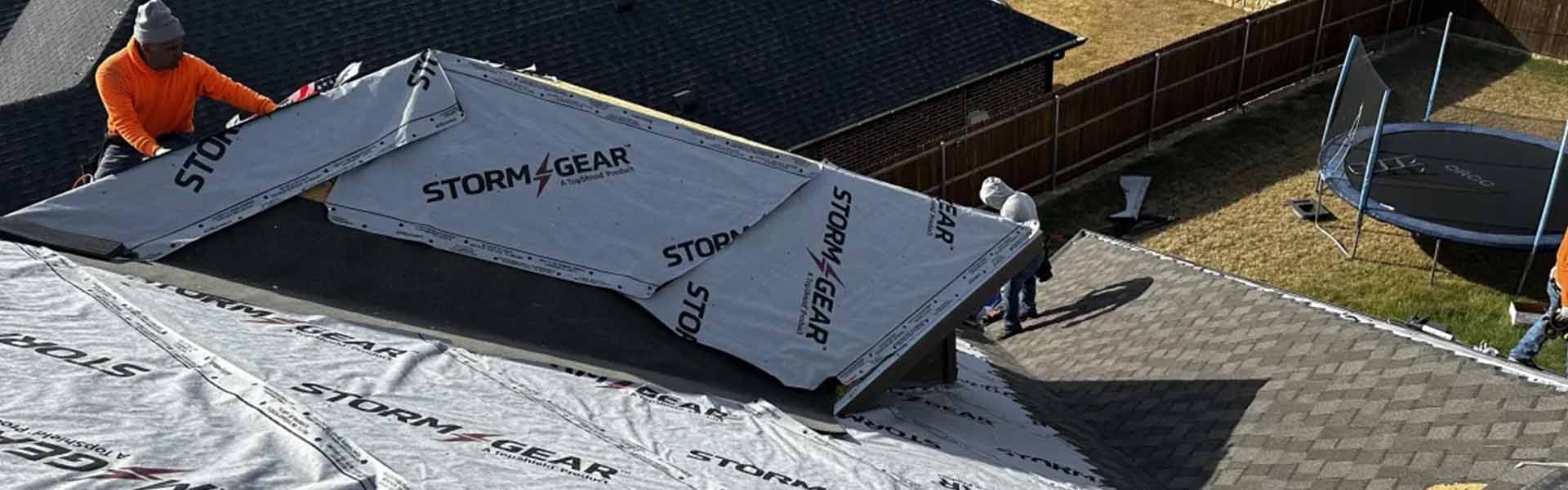
Understanding the roof replacement process is fundamental in determining the best season for your project. A comprehensive roof replacement typically involves the removal of existing shingles, a thorough inspection of the underlying structure, and then the installation of new roofing materials. This process begins with the careful stripping of old shingles, which can be a laborious task depending on the roof’s size and the materials used. The underlying roof deck is then inspected for signs of damage, such as rot or moisture infiltration. Any damaged areas are repaired before the application of a new roofing layer.
The Duration of the Roof Replacement Process
The average duration of a roof replacement can widely vary depending on several factors. The size and complexity of the roof, the materials used, and the weather conditions can all impact the timeline. On average, a simple, straightforward roof replacement on a standard-sized home can take anywhere from a couple of days to a week. However, larger homes or roofs with complex features such as multiple levels, intricate designs, or specialty materials may require additional time for a proper installation.
Materials Used in Roof Replacement
There is a wide range of materials that can be used in roof replacements, each with its benefits and drawbacks, and seasonal considerations. Asphalt shingles, for example, are a popular choice due to their affordability and durability, but they are best installed in mild weather conditions as extreme temperatures can affect their performance. Metal roofs, on the other hand, can withstand a larger range of temperatures, making them a suitable choice for both hot and cold seasons. Slate and tile roofs are highly durable and long-lasting, but their installation can be laborious and time-consuming, so planning for these projects should consider periods of optimal weather.
In conclusion, understanding the roof replacement process, its average duration, and the materials involved can significantly aid in choosing the ideal season for your project. By aligning your roofing project with optimal conditions for your chosen materials and factoring in the scope of the project, you can ensure a smooth and effective roof replacement.
Factors to Consider When Choosing the Best Season for Roof Replacement
Consider the Weather Conditions
One of the most crucial factors to consider when planning a roof replacement is the weather conditions and their impact on the project. The process of roof replacement, which involves removing old shingles, repairing the roof deck, and installing new materials, can be greatly affected by the weather. For example, extreme heat can cause roofing materials to warp, while rain or snow can delay the project and cause water damage. Consequently, many homeowners opt for roof replacement during late spring or early fall when the weather is typically more predictable and moderate.
The Availability of Roofing Contractors
The availability of roofing contractors is another key factor to consider. Roofing is a seasonal business, with many contractors being busiest during the summer and fall months. This high demand can lead to longer wait times and potentially higher costs. By planning your roof replacement for the off-season, such as late winter or early spring, you may have a better chance of scheduling your preferred contractor and possibly negotiating a lower price.
Cost Implications
Cost implications should also be taken into account when deciding on the best season for roof replacement. Prices can fluctuate based on the time of year, with costs typically being higher during the peak roofing season due to high demand. Additionally, certain roofing materials may be more expensive at different times of the year due to changes in supply and demand. Homeowners should consider getting quotes from several contractors at different times of the year to ensure they are getting the best price.
The Impact of Roof Replacement on Daily Life
Lastly, the impact of roof replacement on daily life is a factor that should not be overlooked. The process can be noisy and disruptive, especially if the home is occupied during the work. Depending on the season, this could interfere with outdoor activities or even indoor comfort if the home’s heating or cooling has to be turned off during work. Therefore, homeowners should consider their family’s schedule and lifestyle when deciding on the best season for roof replacement.
Comparing the Four Seasons: Pros and Cons for Roof Replacement
Spring
In the spring, the weather starts to warm up providing a comfortable climate for roof replacements. The mild weather conditions are ideal for sealing, curing, and setting of roof materials, ensuring a high-quality finish. On the downside, spring is often a busy season for roofing contractors due to its favorable weather. This can lead to longer waiting times and potentially higher costs.
Summer
Summer presents a mixed bag. In the early parts of summer, weather conditions are typically stable and warm, ideal for roof replacement. However, as the season progresses, high temperatures can make working conditions harsh for the roofing crew, potentially slowing down the project. Additionally, summer is considered peak season for many contractors, which may result in higher prices and longer wait times.
Fall
Fall is generally considered the best time for roof replacement. The moderate temperatures and low rainfall provide ideal conditions for roofing materials to seal and cure properly. In addition, contractors may be less busy after the summer rush, leading to faster job completion and potentially lower costs. However, one downside is that day become shorter, thus reducing the amount of time contractors can work each day.
Winter
Winter, on the other hand, is typically the least favorable season for roof replacements. Cold temperatures can make it difficult for roofing materials to seal properly, potentially compromising the quality of the job. Moreover, severe weather conditions can cause delays or even halt work altogether. However, since winter is an off-peak season, homeowners may enjoy lower prices and immediate service due to contractor availability.
Expert Recommendations
In the ‘Expert Recommendations’ section, industry professionals weigh in on the best season for roof replacement. According to a veteran roofing contractor with over 20 years of experience, ‘Fall is the gold standard season for roof replacement. The weather is typically dry and cool, making it ideal for installation. Additionally, since the days start getting shorter, contractors are usually motivated to complete the jobs faster.’ However, he also emphasizes that homeowners should consider their unique circumstances and not strictly adhere to seasonal norms.
On the other hand, a renowned home improvement consultant, suggests that early summer is an excellent time for roof replacement. She notes, ‘Early summer offers stable weather conditions that are perfect for roof replacement. Plus, the days are longer, which means workdays can be more productive.’ However, she warns about the potential heat waves in the latter part of the season, which could interrupt the project.
Lastly, a construction project manager has a different perspective. He argues, ‘Winter is an underrated season for roof replacements. Although it may seem counterintuitive due to the cold and sometimes harsh weather conditions, winter installations can be cost-effective. The demand for roofing services is often lower, leading to competitive pricing and immediate service availability.
In conclusion, there seems to be no one-size-fits-all answer to the best season for roof replacement. The consensus among experts is that homeowners should consider their individual needs, budgets, and timelines when deciding.
Conclusion
In conclusion, the best season for roof replacement largely depends on multiple factors such as weather conditions, cost-effectiveness, service availability, and individual homeowner’s needs. Fall remains a popular choice due to its mild weather, allowing for efficient work and reduced risk of weather-related delays or issues. Meanwhile, early summer is favored for its long workdays and stable weather conditions, which can be advantageous for more complex jobs. Winter, on the other hand, can offer the most cost-effective solutions due to decreased demand, although poor weather conditions can sometimes pose challenges.
Regardless of the season, homeowners should carefully consider their unique circumstances, including their budget and schedule, before making a decision. Emergencies, for instance, may necessitate immediate roof replacement regardless of the season. It is also crucial to take into account the type and complexity of the roofing work required, as some jobs may take longer or require specific weather conditions to be performed effectively.
Finally, homeowners planning a roof replacement should always consult with roofing professionals to ensure they choose the best time for their specific needs. Additionally, proper maintenance and regular inspections can help to prevent unexpected issues and prolong the lifespan of your roof, potentially saving you time and money in the long run. Remember, the ultimate goal is to ensure a sturdy and durable roof over your head, and the best season for roof replacement is the one that best meets this goal. Trust Legacy Roofing And Contracting to professionally handle roof replacements year-round, ensuring quality craftsmanship and peace of mind regardless of the season.
Name, Address, and Phone
Legacy Roofing And Contracting
3908 Williamson Rd #120, Crowley, Texas, 76036, US
817-993-5522
Connect with us


Legacy Roofing and Contracting is proud to be your trusted local roofing experts!