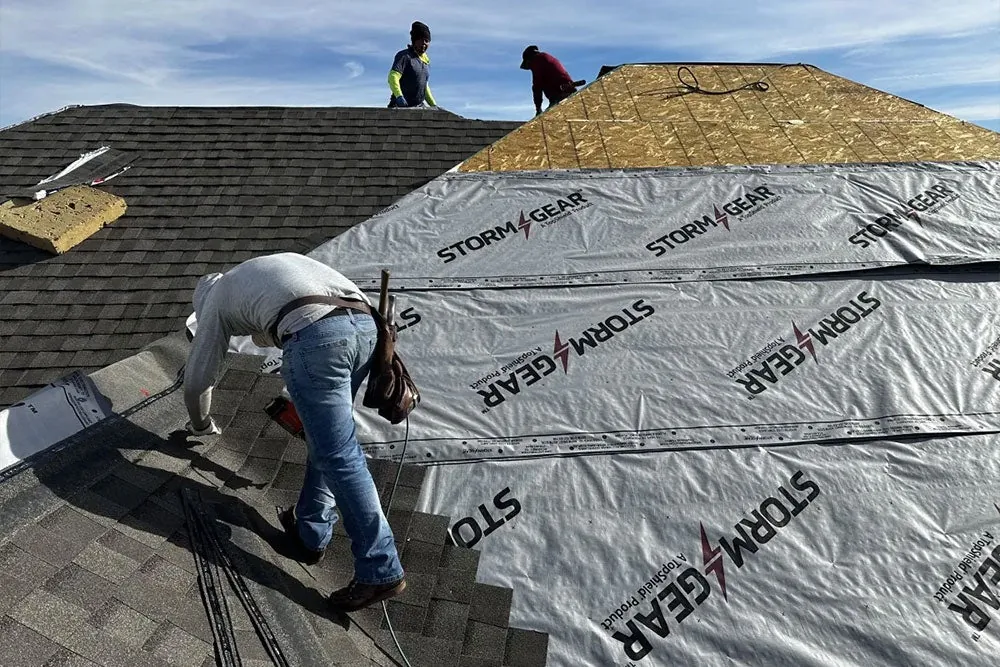
You cannot stop a hail storm. But most roof damage is slow, and you can stop a lot of it. Keep trees off the roof. Keep gutters clear. Keep the attic cool and dry. And look at the roof after every big storm, so small problems stay small.
Six habits that protect a roof
- Trim the trees. Branches that touch the roof scrape the grit off shingles each time the wind blows. Cut them back so nothing hangs over or rubs. Have dead limbs taken down before a storm does it for you.
- Clean the gutters. When gutters clog, water backs up under the roof edge and rots the wood. Clean them in late fall after the leaves drop and again in spring. If yours are bent or pulling away, see our page on gutter installation.
- Clear the valleys. A valley is the low line where two roof slopes meet. Leaves pile up there and hold water against the shingles.
- Check the attic. On a sunny day, go up with a flashlight. Look for dark stains on the wood, damp insulation, or daylight where it should not be.
- Keep air moving. A roof needs vents low at the eaves and high near the peak, so hot air can leave. Make sure insulation is not stuffed over the low vents. A cooler attic is easier on shingles.
- Seal the small stuff. The rubber collars around plumbing pipes crack in our sun, often years before the shingles wear out. They are cheap to replace and a common cause of leaks.
Before storm season
Hail season in North Texas is mostly spring, with a second, smaller bump in fall. Before each one:
- Take dated photos of your roof, or have someone take them. If a storm hits, you will have a "before" to compare.
- Fix loose or lifted shingles. Wind grabs the loose ones first.
- Tie down or store things that can blow onto the roof.
After a storm
Stay off the roof. Wet shingles are slick, and walking on them can do more harm. From the ground, look for:
- Shingles or pieces of shingle in the yard.
- Dents in gutters, downspouts, the mailbox or the AC unit. If hail marked those, it may have marked the roof.
- Piles of grit at the bottom of the downspouts.
- New stains on a ceiling over the next few days.
Hail damage is hard to see from the yard and often does not leak right away. If you are not sure, get photos taken up close.
When you replace, build in protection
The best time to make a roof tougher is when it is being replaced. Impact-rated (Class 4) shingles are made to take hail better than standard ones. Ask your agent what a Class 4 (impact-rated) roof does to your premium.
What to do next
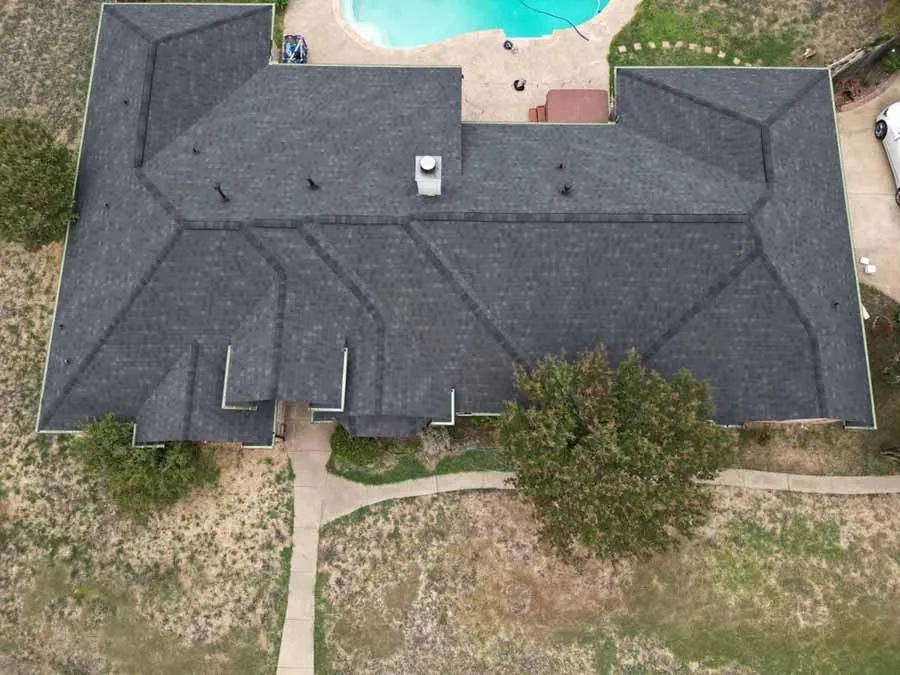
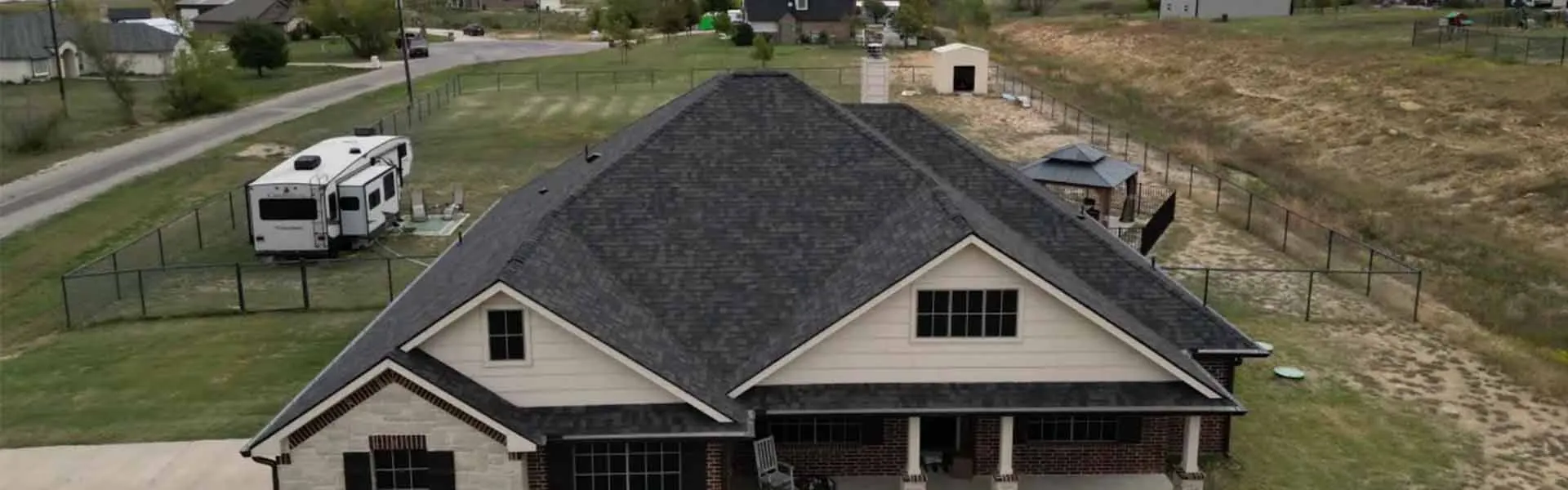
Get a clear set of photos of your roof while nothing is wrong. Legacy Roofing, based in Crowley, offers a free drone roof survey. Someone needs to be home for the flight. The drone photographs the roof from the driveway or street, and anything that needs a closer look is checked by hand. The written photo report is yours to keep, whether or not you hire us.