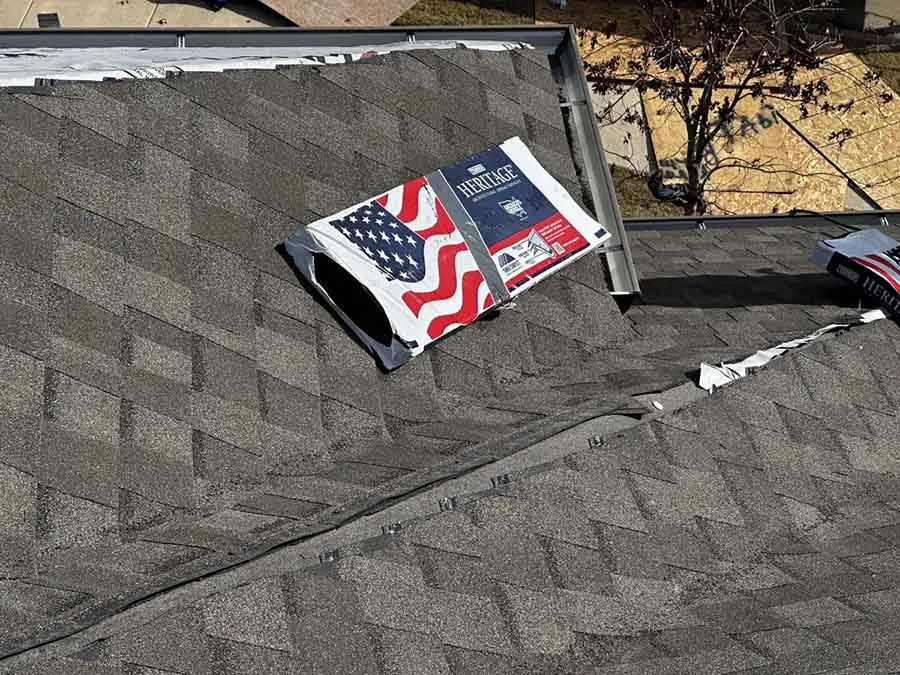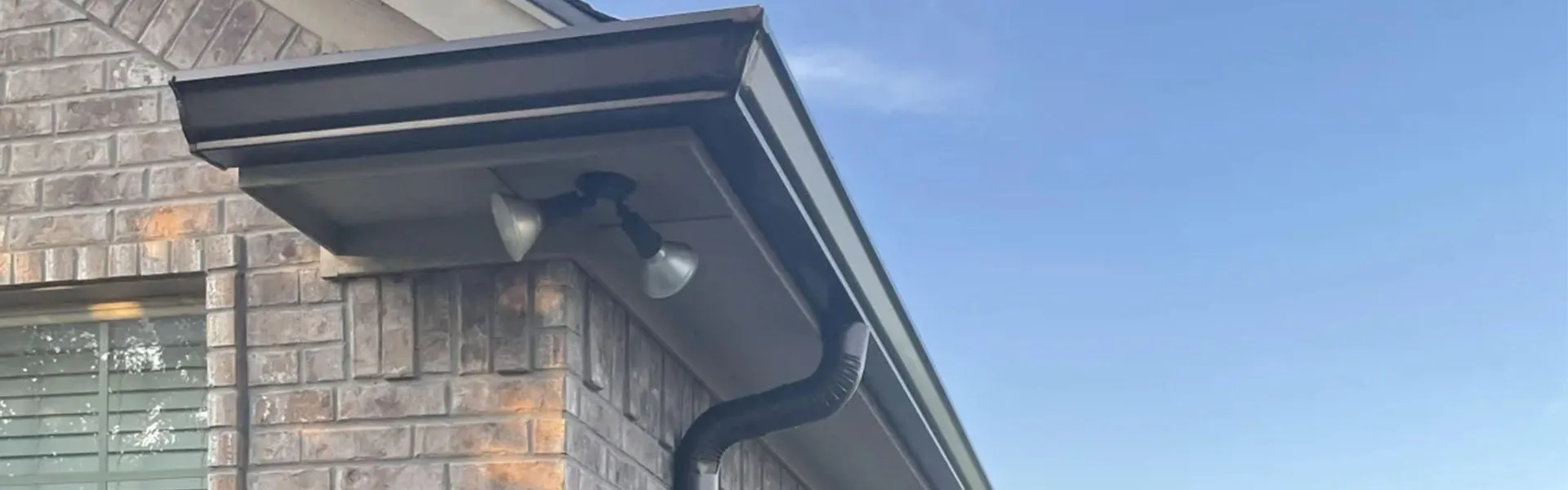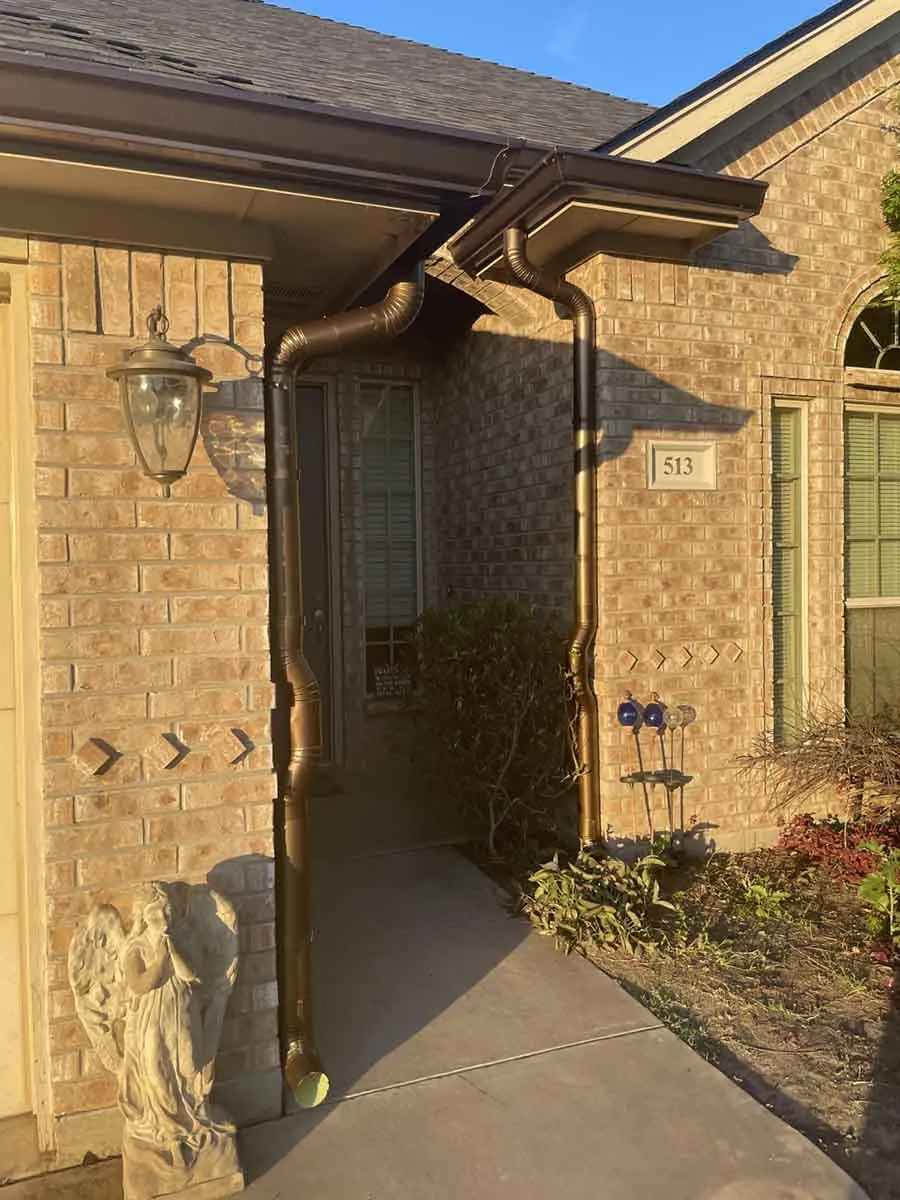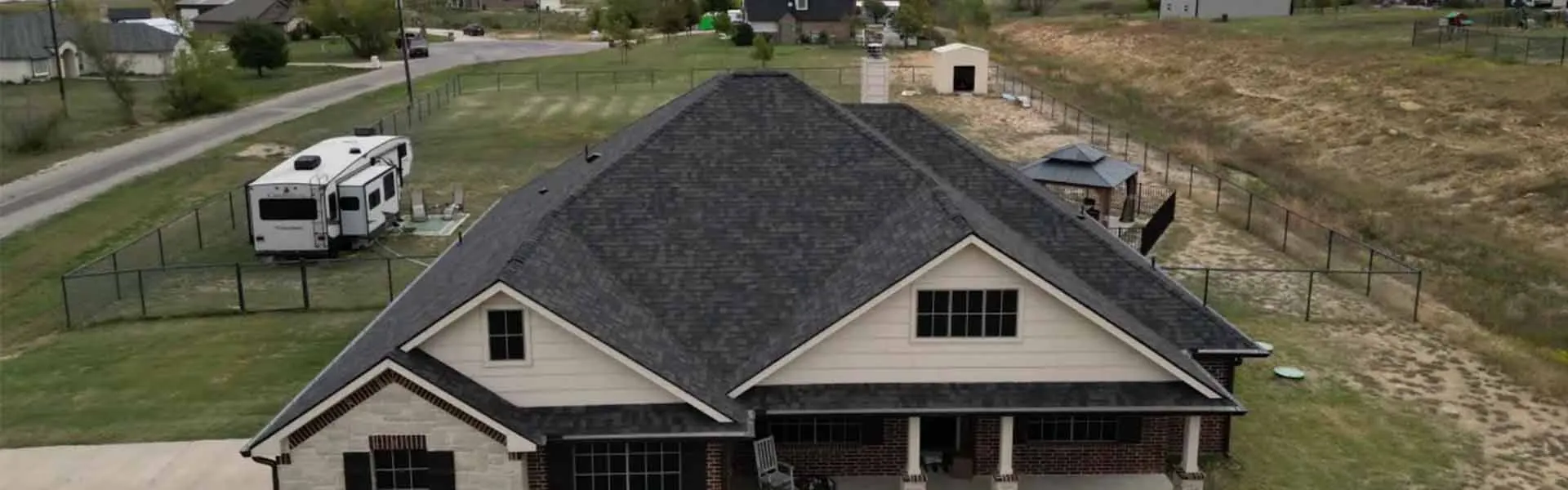
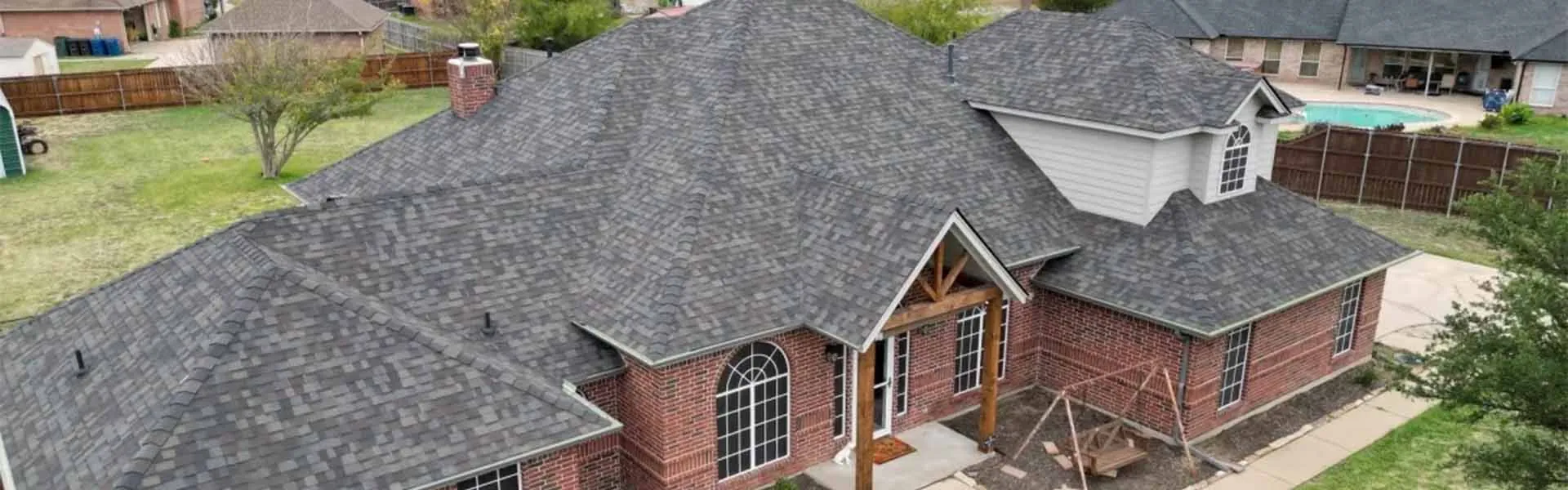
New hail damage looks sharp and clean. The grit is freshly knocked off, the black tar under it looks dark and almost shiny, and loose grit sits in the gutters. Old hail damage looks worn. The edges of the mark are soft and rounded, the bare tar has faded to gray, and dirt or green growth may sit in the spot. Dents in soft metal tell the same story: a fresh dent is bright, an old one is dull. Nobody can read an exact date off a shingle, but these signs show which marks came from the last storm and which have been there a while.
Why it matters
In North Texas, many roofs have seen more than one hail storm. A roof in Crowley, Burleson or Fort Worth may carry marks from several of them. Knowing old from new helps you in a few ways:
- Old marks can be close to leaking. A hail hit that has baked in the sun for a few summers may already be cracking. That spot needs work soon, even if the last storm missed it.
- It helps you choose repair or replace. A few fresh hits on a young roof can often be fixed. Old and new damage spread over every slope points toward a new roof.
- It helps when you buy a house. Old hail marks on a roof you are about to own are worth knowing about before you sign.
If you have questions about what your coverage includes, ask your insurance agent.
What fresh hail damage looks like
Right after a storm, and for a few weeks after, hail marks on shingles tend to look like this:
- Dark, clean spots. The grit (the small stone bits on top of a shingle) is knocked away, and the tar under it shows black.
- Sharp edges. The edge of the mark is crisp, like a fresh scrape.
- Grit nearby. Loose grit sits in the gutter, at the bottom of the downspouts, or in a little ring around the mark.
- A soft feel. When a roofer presses on the spot, it gives a little. That is a bruise: the mat (the thin sheet inside the shingle) is cracked. Our post on bruised shingles explains this more.
- A random spread. The marks are scattered across a slope with no pattern, and they are most common on the side that faced the storm.
What old hail damage looks like
After months or years in the Texas sun and rain, the same marks change:
- Faded spots. The bare tar turns gray or light brown as the sun dries it out. It no longer looks wet or shiny.
- Soft, worn edges. Rain and wind wear down the sharp rim, so the mark blends into the shingle.
- Dirt or growth in the spot. Dust, pollen, black streaks or green moss can settle in the low spot.
- Cracks. The dried-out tar splits. Sometimes you can see the mat poking through.
- Grit lost around the mark. The bare area slowly grows as more grit lets go around the edge.
The soft metal tells the story too
Gutters, roof vents, the AC unit and window trim are often the easiest place to judge age, because you can see some of them from the ground.
- Fresh dents often have bright, clean metal inside the dent. On painted metal, the paint may be chipped with clean edges.
- Old dents are dull and the same color as the metal around them. Chipped paint has faded, or rust has started on steel parts.
- Splatter marks. Hail often knocks the dust and chalky film off painted surfaces and leaves clean round spots, like spots on a windshield. These fade within weeks, so if you see them, the hail was recent.
How a roofer judges the age
A careful roofer does not guess from one mark. They look at the whole roof and compare:
- Color of the bare tar in each mark, from dark to gray.
- The edges, sharp or worn.
- What is in the spot, clean or dirty.
- The soft metal on the same side of the roof.
- The storm history. The National Weather Service keeps public storm reports. If hail was reported near your street on a certain date, that helps line up what they see.
Even then, the honest answer is often a range, like "recent" or "a year or more." Be careful of anyone who says they know the exact day a mark was made just by looking at it.
When a roof has both
This is common here. A roof may have faded marks from a storm a few years back and fresh ones from the last one. In that case:
- Ask for photos of each kind, with the slope it is on.
- Ask which marks are likely to leak first. The old cracked ones often are.
- Ask whether a repair makes sense, or whether the roof has taken too many hits. Our post on repair or replacement walks through that choice.
Things that look like hail but are not
- Blisters. Heat makes small bubbles that pop and leave pits with raised edges. They often show up in groups on the sunny side.
- Normal wear. An aging roof loses grit evenly across the whole slope, not in round spots.
- Foot traffic. Scuffs from shoes and tools run in a line or a path.
What you can do from the ground
Please stay off the roof. You can still learn a lot from the yard:
- After any hail storm, take dated photos of the gutters, vents and AC unit. Next time, you can compare.
- Look for bright new dents next to dull old ones.
- Check the bottom of each downspout for a fresh pile of grit.
- Keep a simple note on your phone of each storm date that hit your area.
Those photos make it much easier to tell old from new later.
What to do next
If hail came through Crowley, Fort Worth, Mansfield, Burleson or Joshua and you want to know what is old and what is new on your roof, book a free drone roof survey with Legacy Roofing. Someone needs to be home for the flight. You see the pictures before we leave, and you get a written photo report. If something needs a closer look, we check it by hand. If we find a few bad spots, see our roof repair page, or call us at (817) 602-2057.