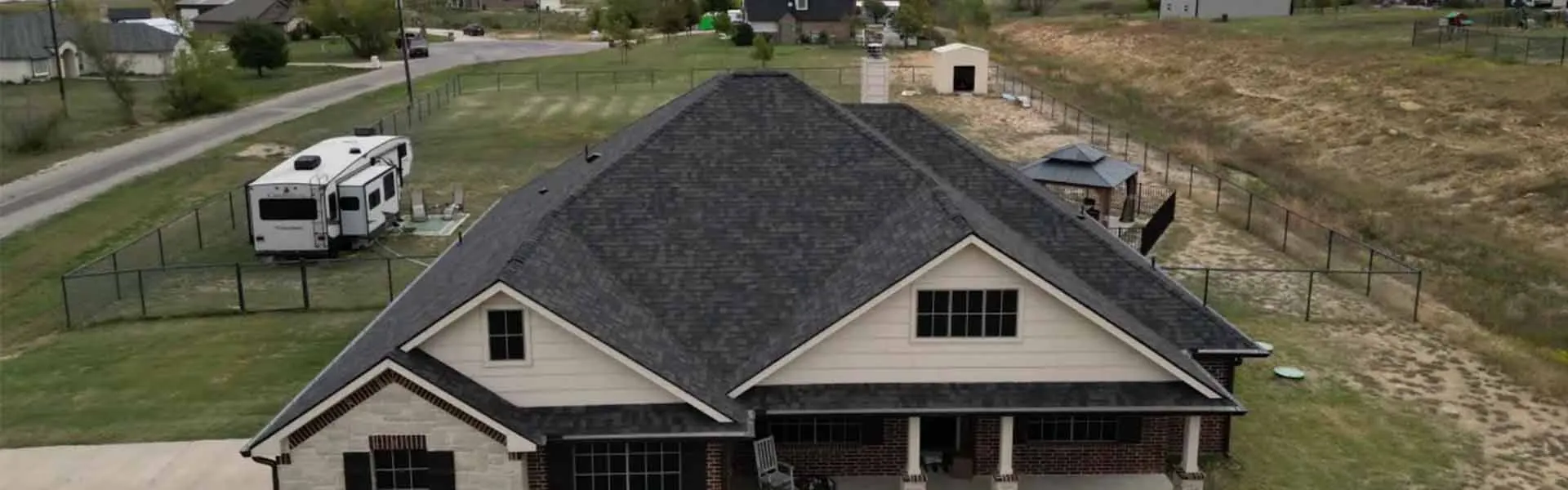
Three-tab shingles are the thin, flat kind. Each one is a single layer with two slots cut in it, so it looks like three even tabs on the roof. Architectural shingles are thicker. They are made of two layers glued together, so the roof has a deep, layered look, a bit like wood shake. For most homes in North Texas, architectural shingles are the better pick. They hold up better to wind, take hail a bit better, and last longer in our heat. They cost more up front than three-tab, but not by a lot when you look at the whole job. Three-tab still has a place, mostly on a shed or for a small patch on an older three-tab roof.
How to tell which one you have
You can often tell from the yard. Zoom in with your phone camera.
- Three-tab: flat, even rows. You see neat little rectangles, all the same size, with straight lines between them. Up close, the shingle is thin.
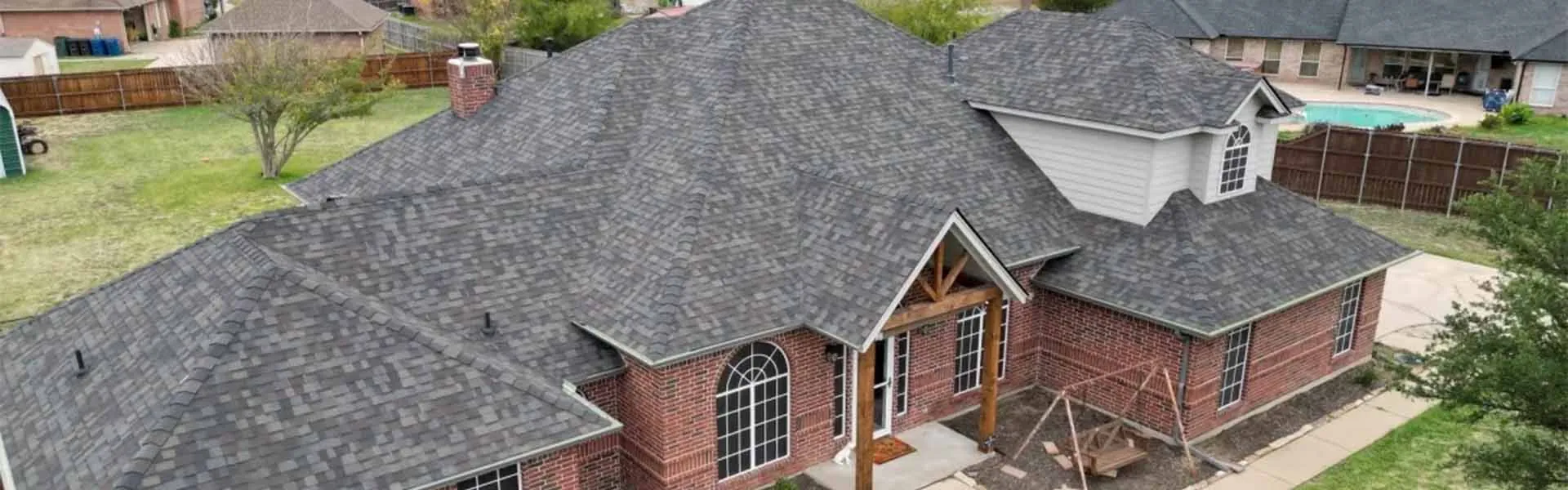
- Architectural: the rows look uneven on purpose. Some parts look thick and some thin, and there are shadow lines. The roof looks like it has depth.
Many homes in Crowley, Fort Worth, Burleson and Mansfield built in the 1990s or before started with three-tab. Most new roofs in the area now go on with architectural shingles.
How they are made
Both kinds start the same way. There is a mat (the thin sheet inside the shingle), coated with tar, with grit (the small stone bits) pressed into the top. The grit shields the tar from the sun.
The difference is what comes next:
- Three-tab is one layer, cut into tabs. It is lighter and lays flat.
- Architectural (also called "dimensional" or "laminated") has a second strip glued under the first. That makes it heavier and thicker, and it gives the roof its layered look.
That extra layer is the reason for almost every other difference below.
Wind
Wind is a big deal here. Spring storms and straight-line winds can lift and tear shingles off a roof.
- Three-tab shingles are light, and each tab is a flap that wind can catch. When the glue strip under them dries out with age, the tabs lift, crease and blow off.
- Architectural shingles are heavier and stiffer, with no slots for the wind to grab. They are rated for higher wind than three-tab in most product lines.
The way a shingle is nailed matters just as much. Nails in the wrong spot or too few nails can let either kind blow off. Our post on what wind damage looks like shows what to watch for.
Hail
Neither standard three-tab nor standard architectural shingles are made to stop big hail. Hard hits can knock off grit or crack the mat on both.
That said, the thicker architectural shingle tends to take small hail a bit better, since there is more material to absorb the hit. If hail is your main worry, look past both of these to impact-rated shingles. Class 4 is the top rating for hail. Our post on whether Class 4 shingles are worth it covers that choice.
Heat and how long they last
The Texas sun is hard on any shingle. Over time it dries out the tar, the grit lets go, and the shingle curls or cracks.
- Three-tab has less material to lose. Many three-tab roofs here need to be replaced at 15 years or sooner.
- Architectural shingles often last 20 to 25 years in our weather, with good attic airflow and a good install.
Those are rough ranges. A roof with a hot, poorly vented attic, or one that has taken a few hail storms, can wear out sooner.
Looks and resale
This is a matter of taste, but most buyers see three-tab as the older, plainer look. Architectural shingles look richer and hide small waves in the roof deck (the wood boards under the shingles) better than flat three-tab does.
If you plan to sell in the next few years, a buyer or their home inspector will notice the roof. A newer architectural roof is easier to sell than a worn three-tab one.
If you live in a neighborhood with an HOA, check its rules before you pick. Some HOAs list the shingle styles and colors they allow.
Cost
Three-tab costs less per bundle. But most of the price of a new roof is the labor, tear-off, underlayment (the layer under the shingles), flashing and vents, and those are about the same for both. So the gap on the whole job is smaller than the gap in the shingle price.
Three-tab is also getting harder to find. Many makers now offer only a few three-tab lines, with fewer colors.
Side by side
- Look: three-tab is flat and even; architectural is layered and has depth.
- Weight: three-tab is lighter; architectural is heavier.
- Wind: architectural holds up better.
- Hail: architectural a bit better; neither matches an impact-rated shingle.
- Life in Texas: about 15 years or less for three-tab; often 20 to 25 for architectural.
- Price: three-tab costs less up front.
When three-tab still makes sense
- A shed, a shop or a small porch roof where looks and long life matter less.
- A small repair on a three-tab roof that still has years left. Putting architectural shingles in a three-tab roof stands out and does not lay right.
For a whole new roof on a home, most people are better served by architectural shingles or something tougher.
Can you put architectural over three-tab?
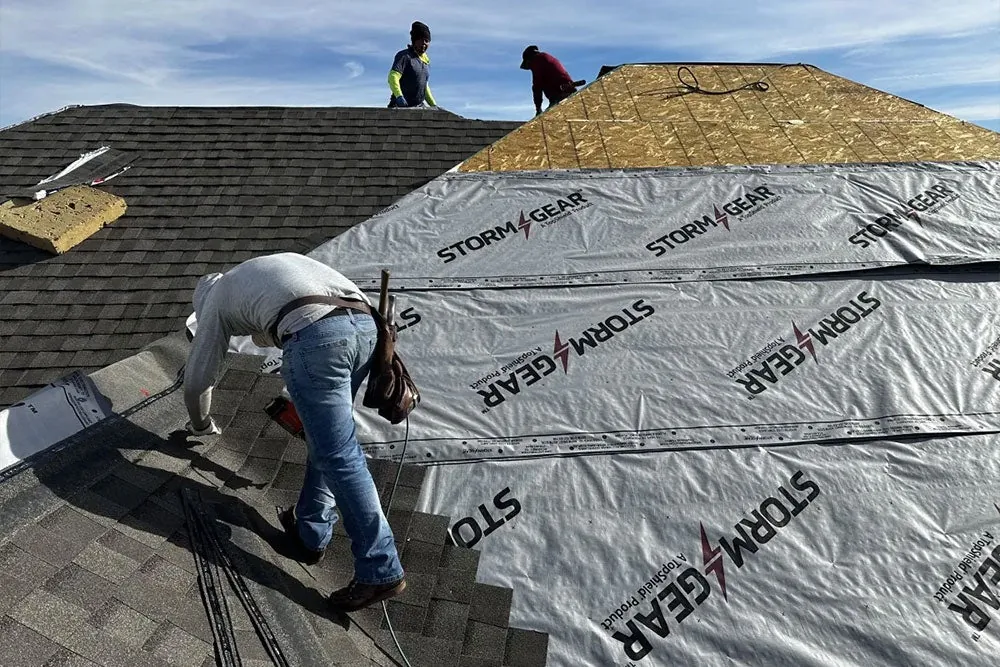
Some places allow a second layer on top of the first, but it is rarely a good idea. The old shingles hide soft wood and trap heat, the roof gets heavier, and the new shingles may not lay flat. A full tear-off lets the roofer see and fix the deck first. Ask any roofer who suggests a layover why they think it is the right call for your house.
What to do next
If your home in Crowley, Fort Worth, Burleson, Mansfield or Joshua still has an older three-tab roof, it is worth knowing how much life it has left. Book a free drone roof survey with Legacy Roofing. Someone needs to be home for the flight. You see the pictures before we leave, and you get a written photo report. If something needs a closer look, we check it by hand. When you are ready to talk about a new roof, see our roof replacement page or call us at (817) 602-2057.